Nature, a little closer
Small details.
Endless wonder.
Close-up photographs of the little things we walk past. Find something extraordinary for your next creation.
Explore the photos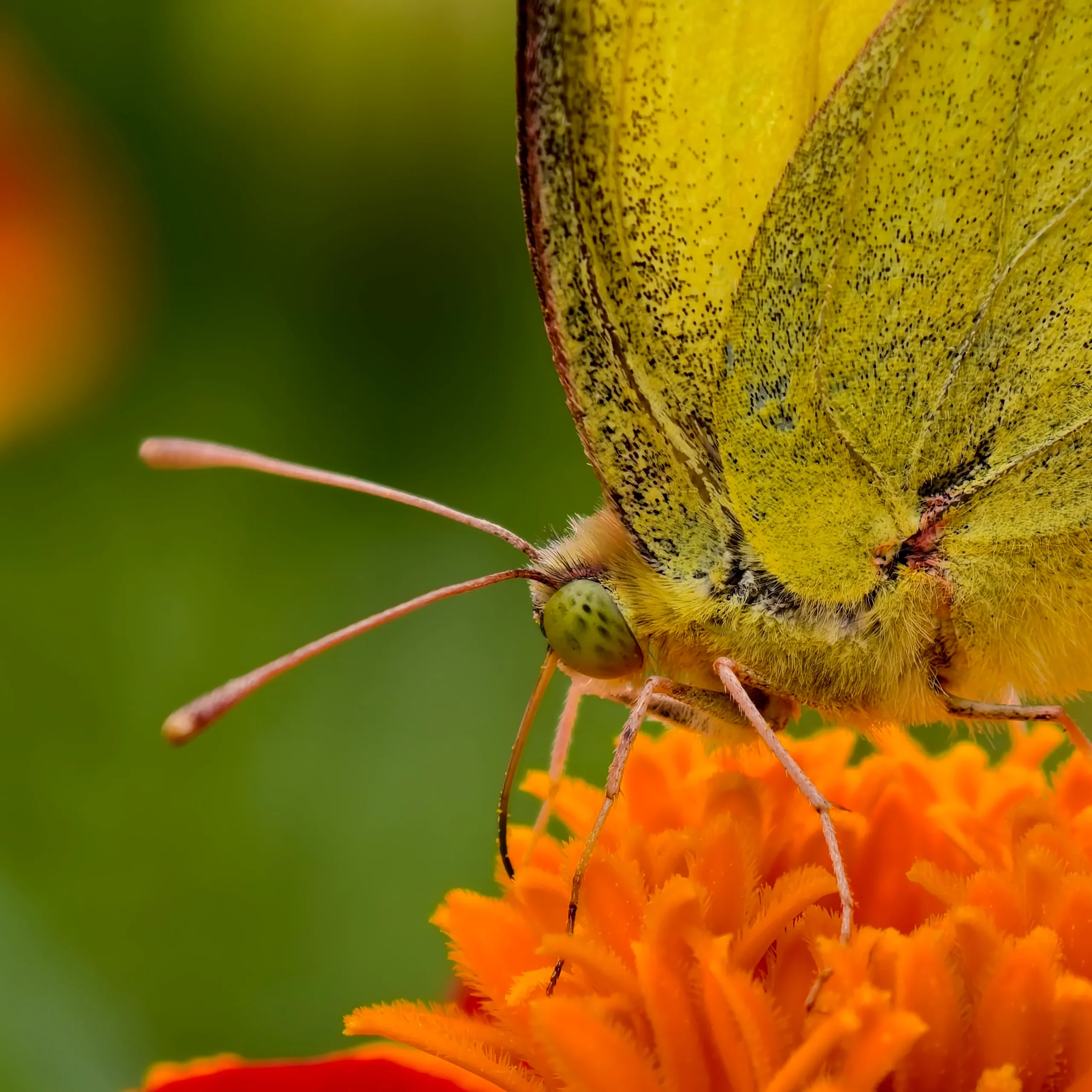
A whole world, on a petal.
The photo collection
Find your little wonder.
Explore a colour, a texture, a moment.
23 photos
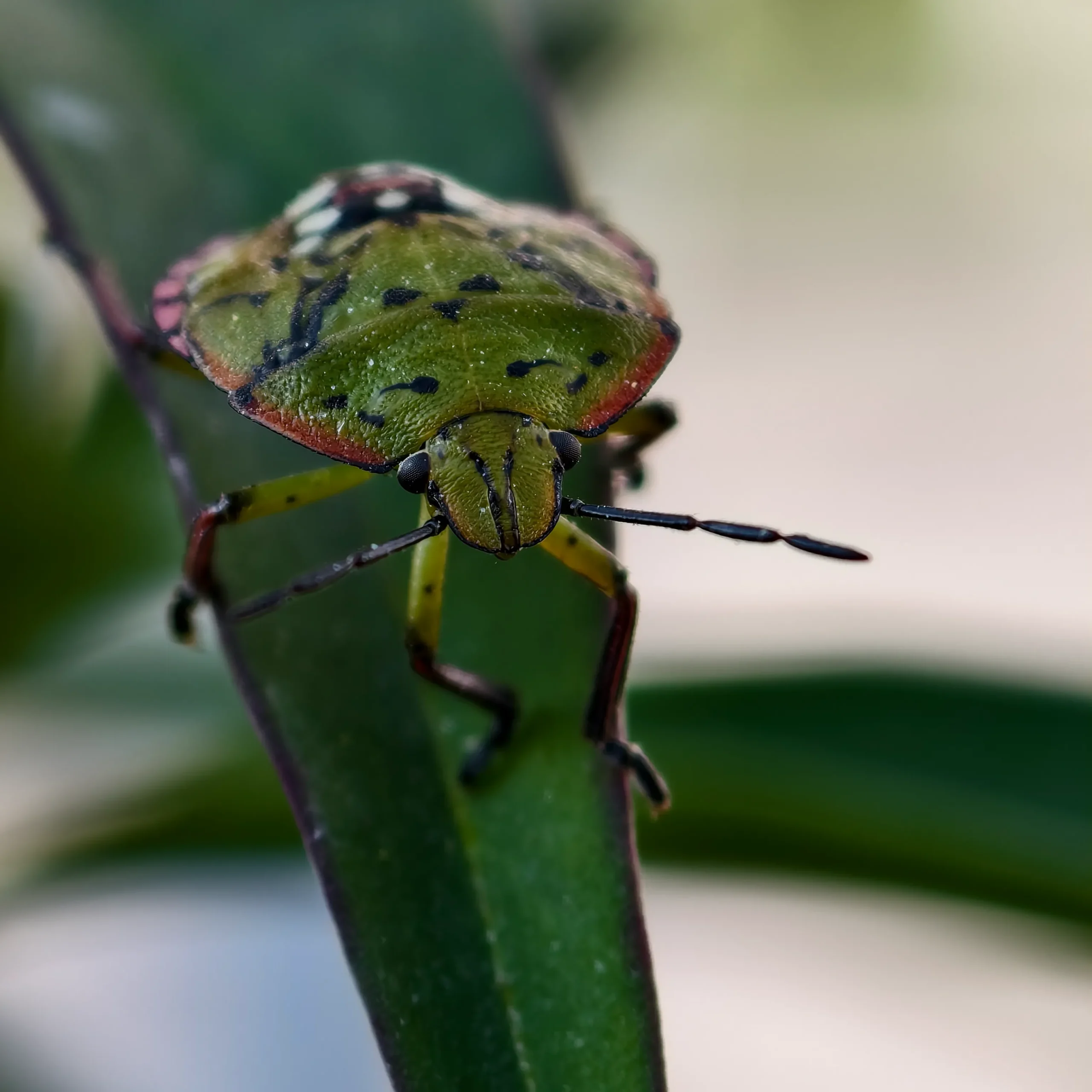
A closer look at a green insect
2560 × 2560 · WebP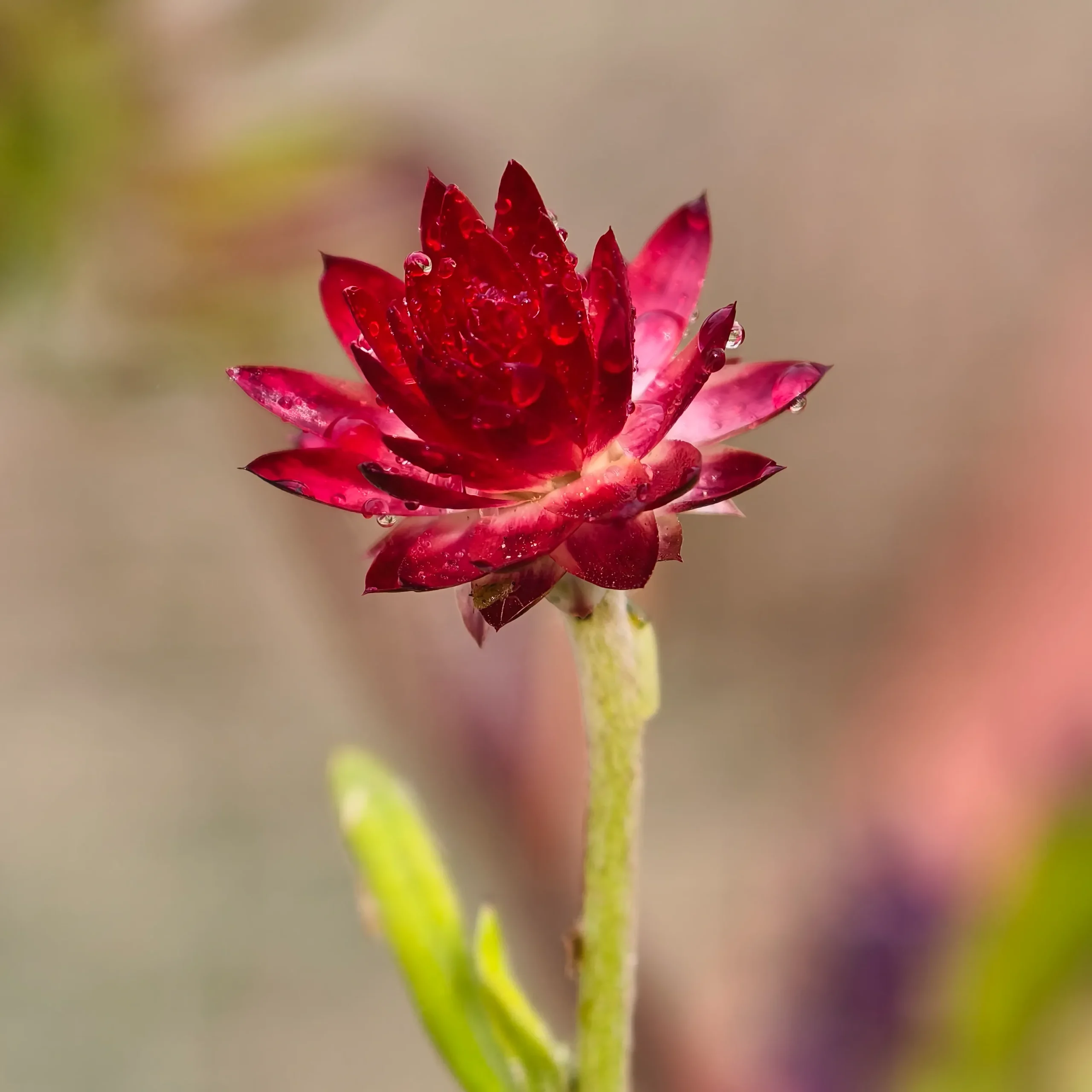
A flower in deep pink
2560 × 2560 · WebP
Butterfly wing detail
2560 × 2560 · WebP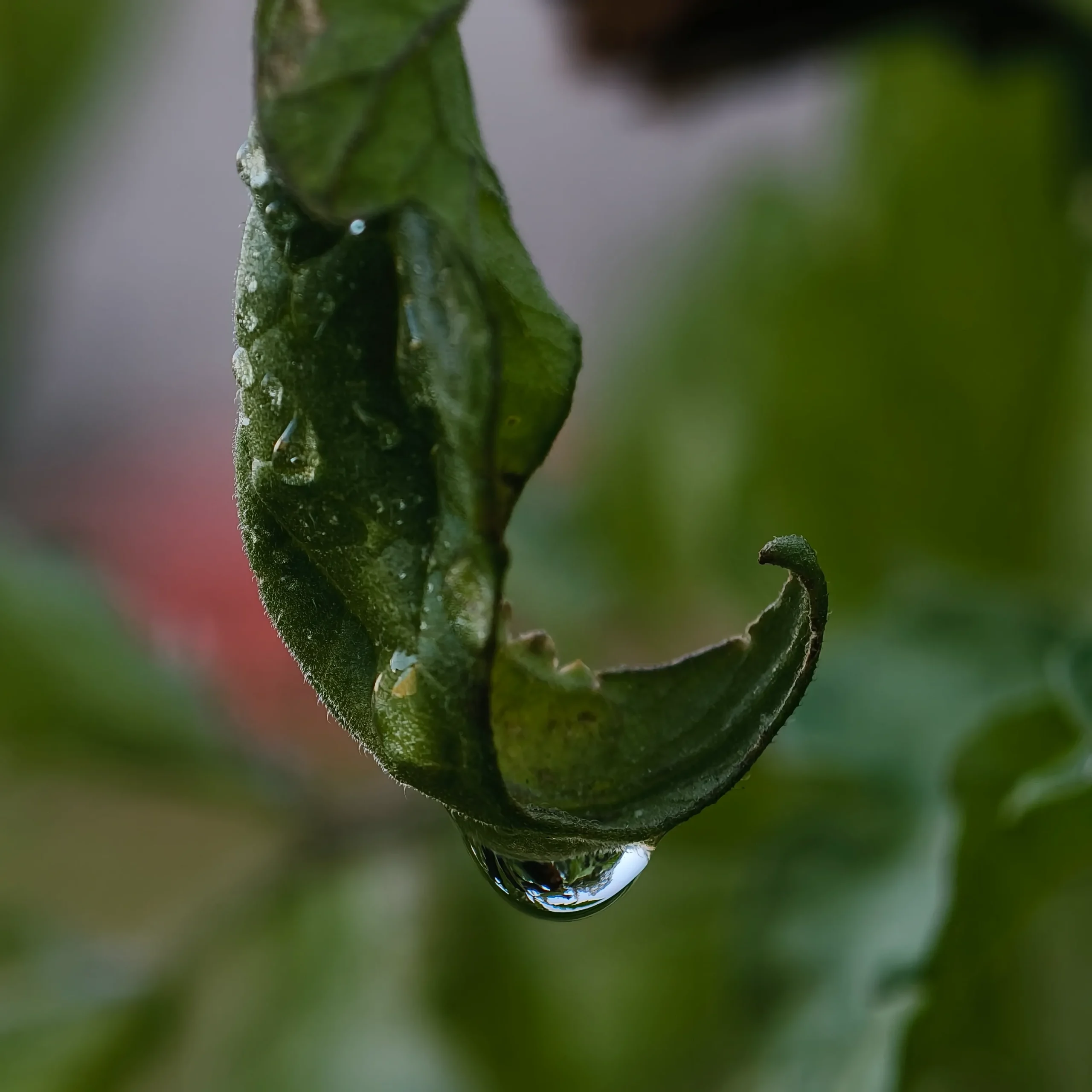
A droplet beneath a green bud
2560 × 2560 · WebP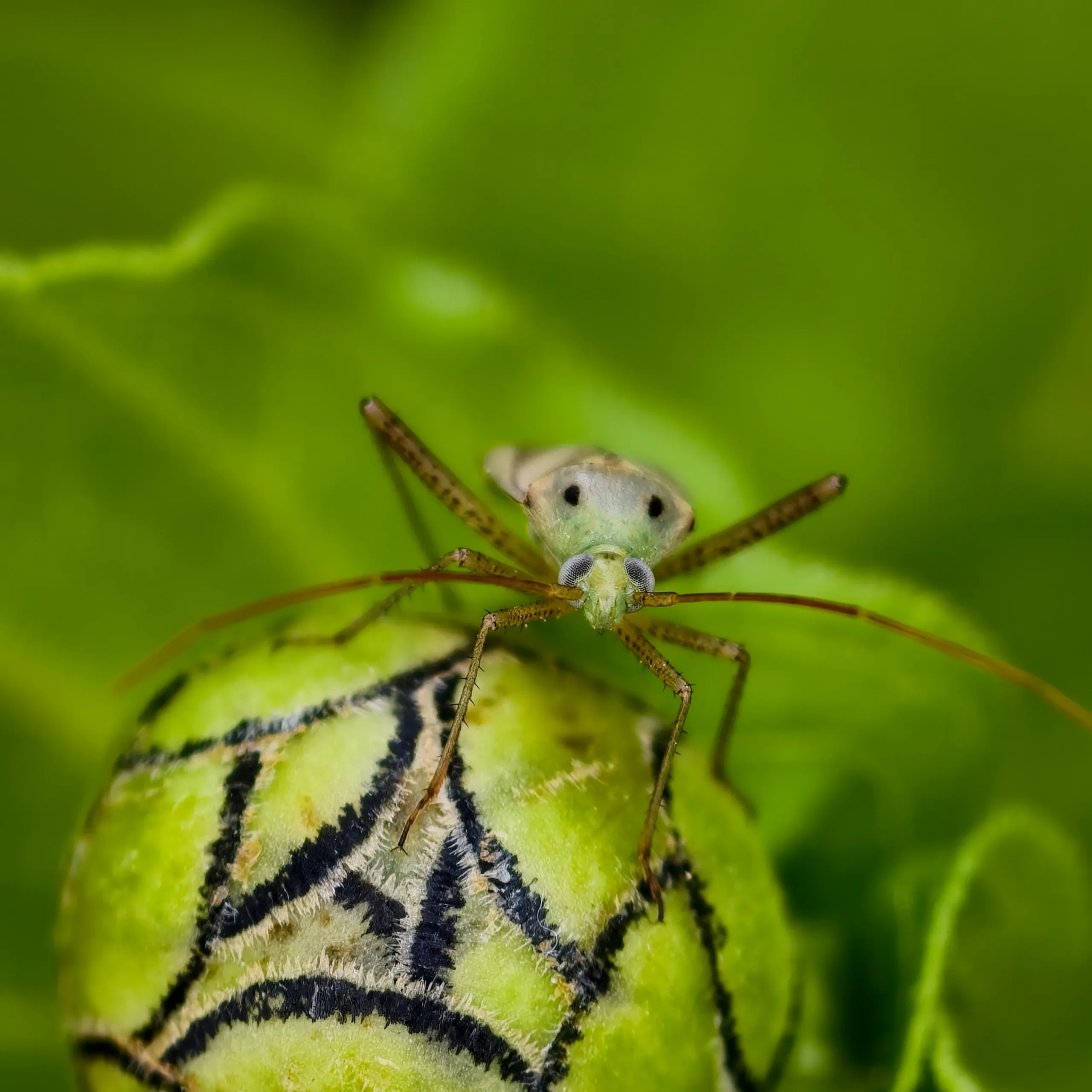
Patterns on a green insect
2560 × 2560 · WebP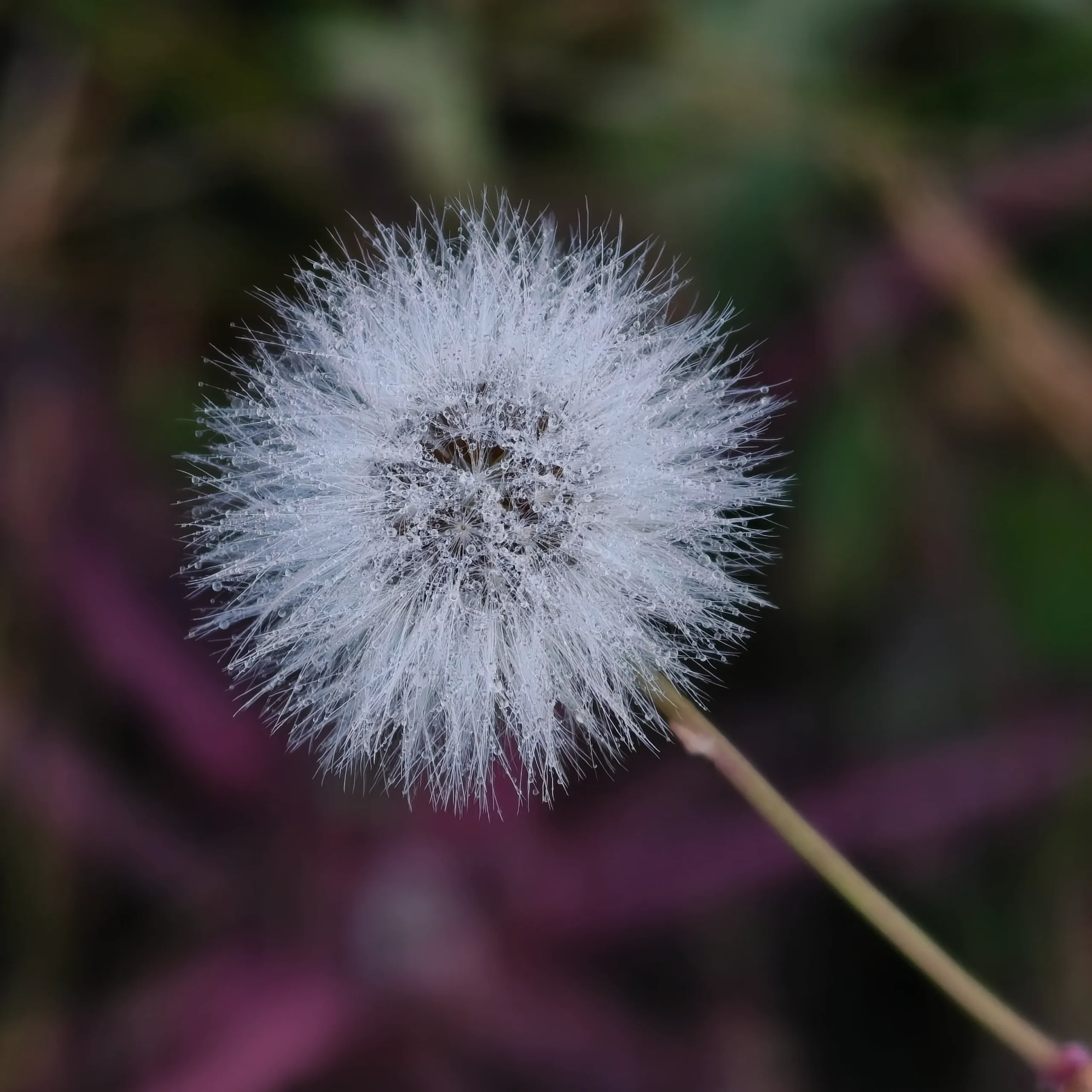
A delicate seed head
2560 × 2560 · WebP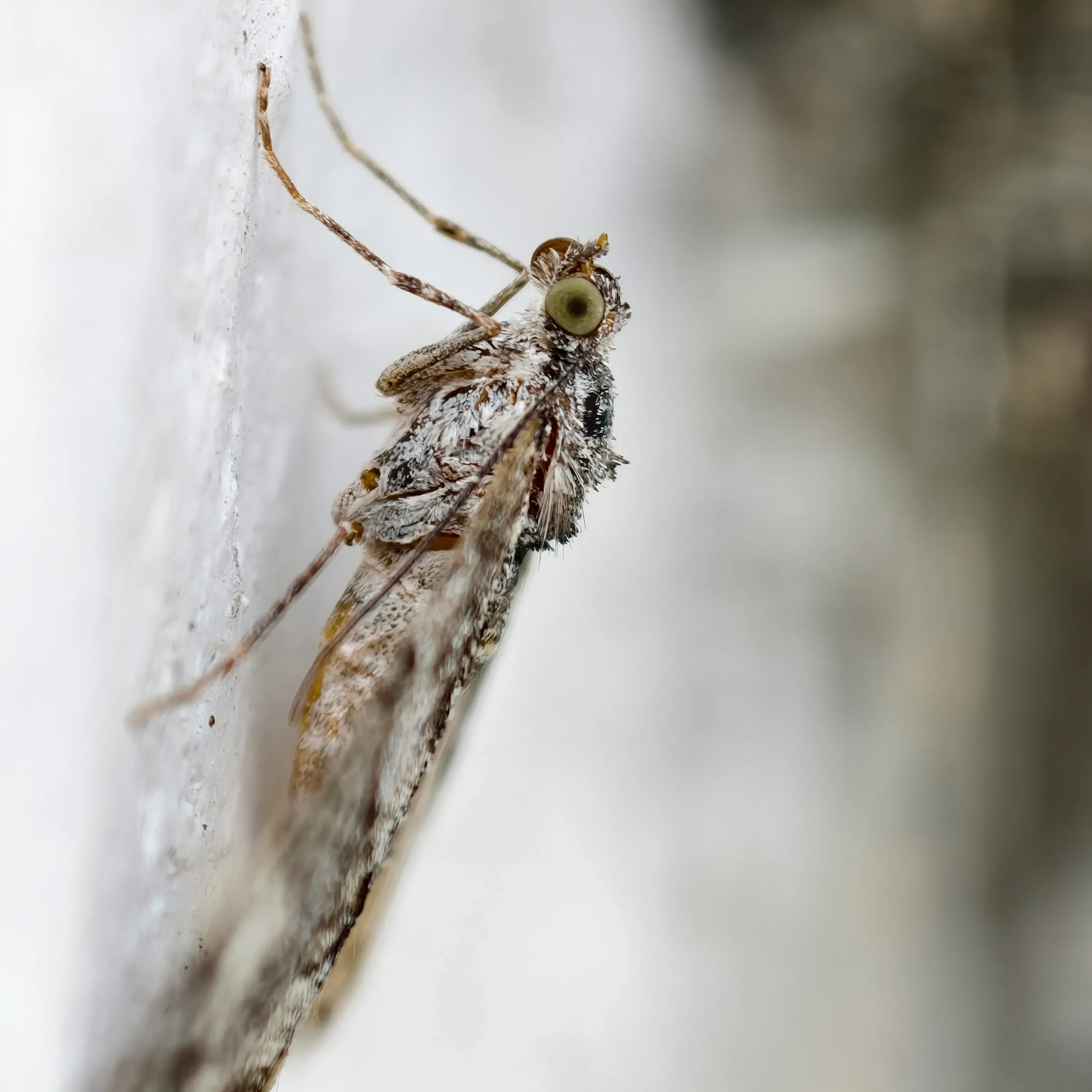
The delicate detail of a moth
2560 × 2560 · WebP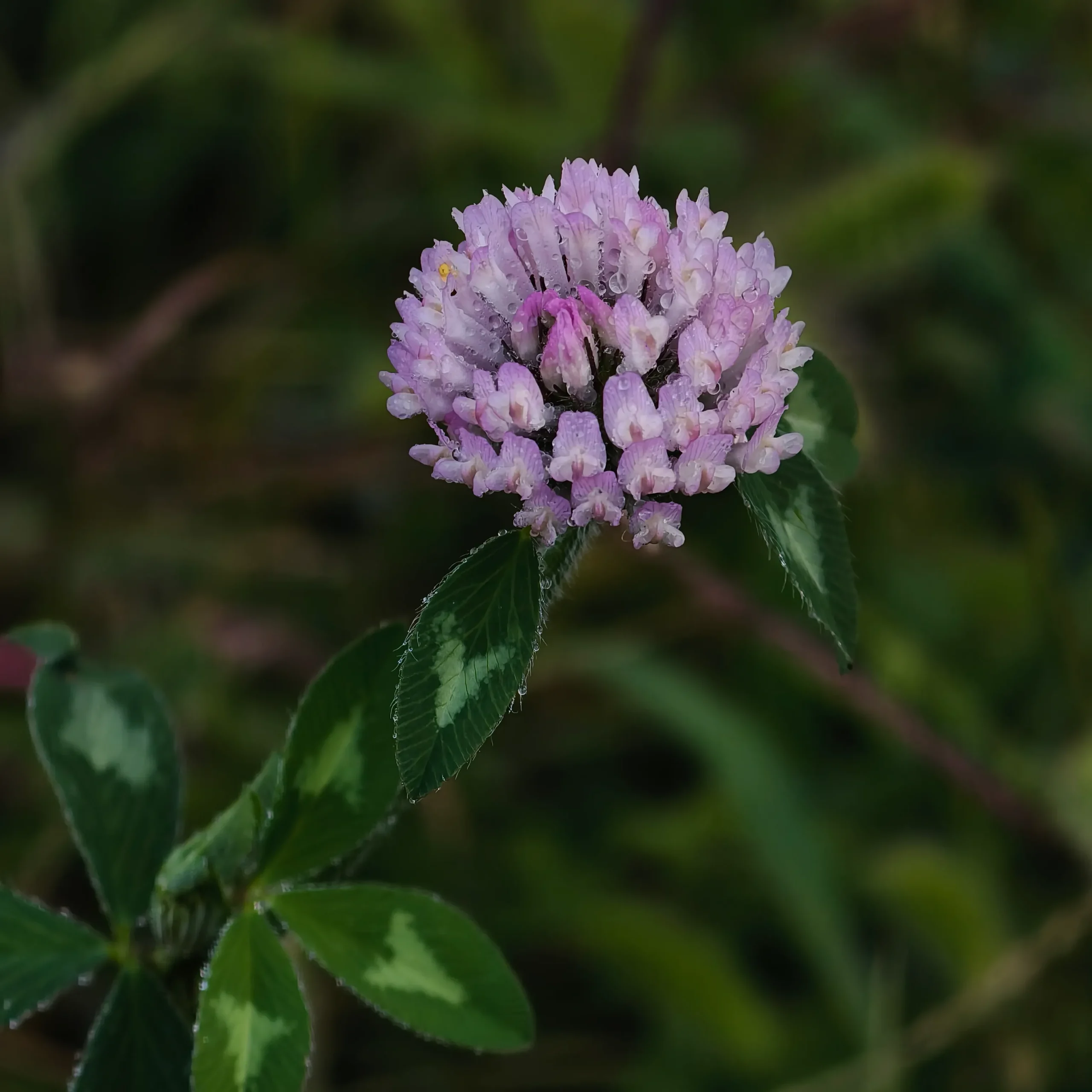
Soft purple clover
2560 × 2560 · WebP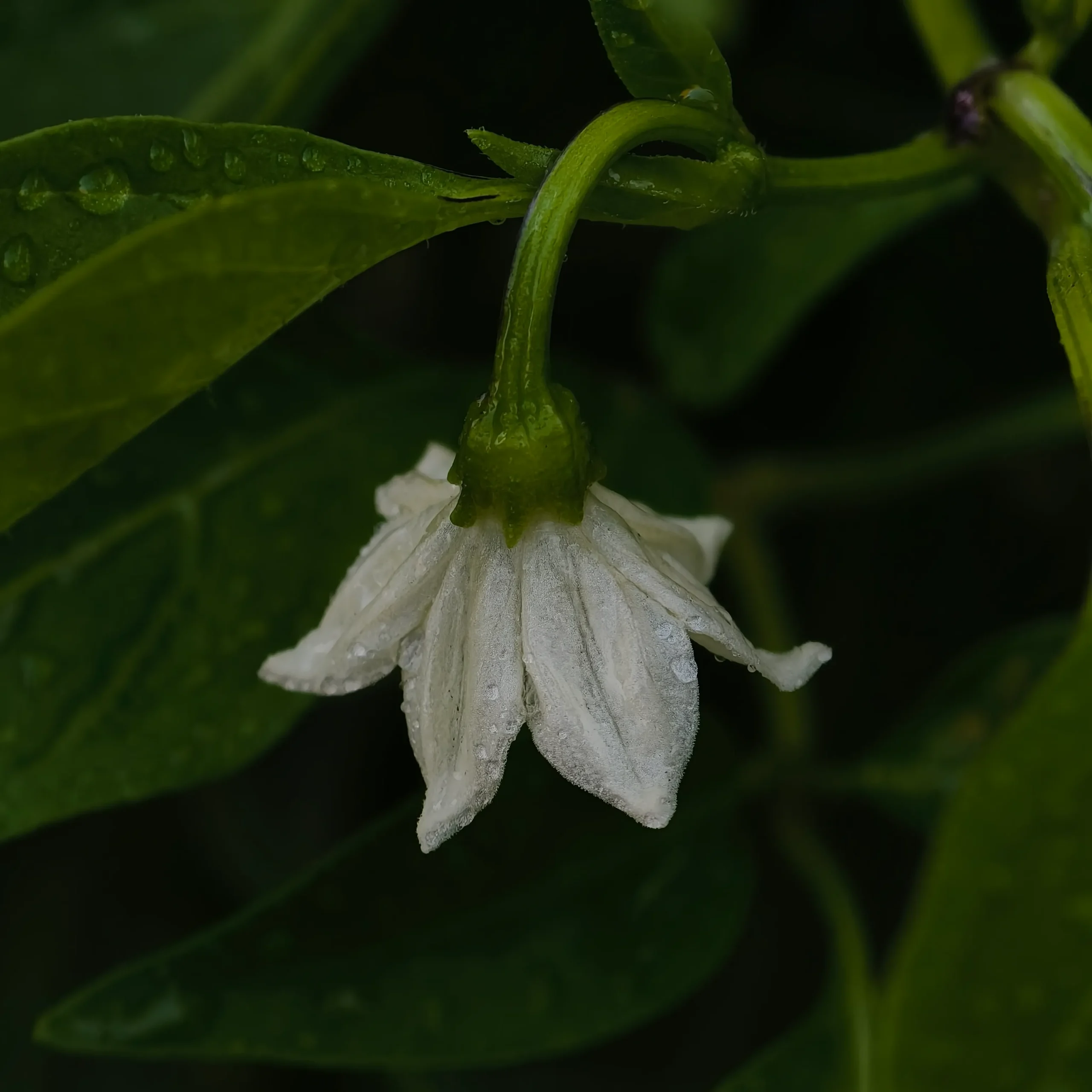
White flower among green leaves
2560 × 2560 · WebP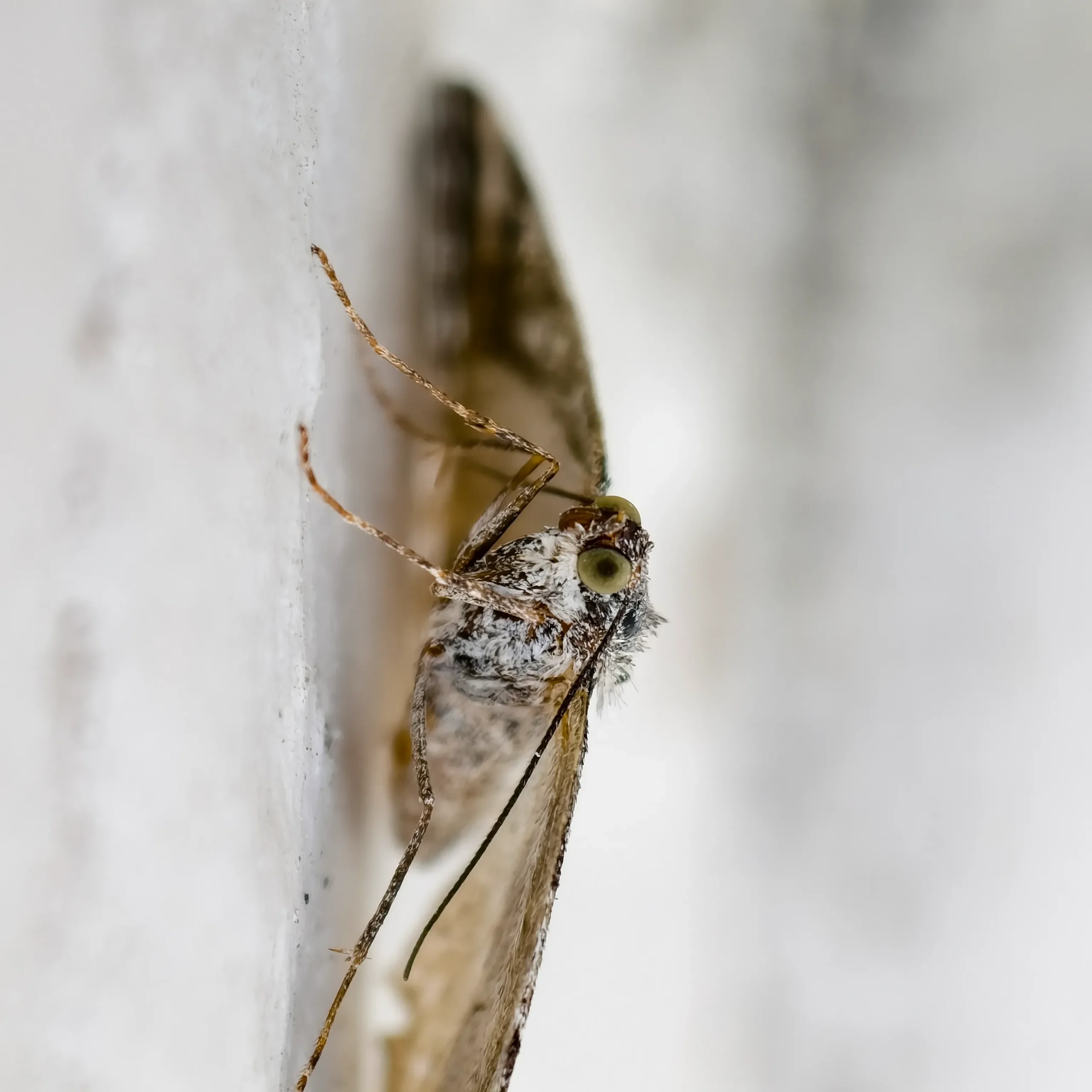
Moth resting on a pale wall
2560 × 2560 · WebP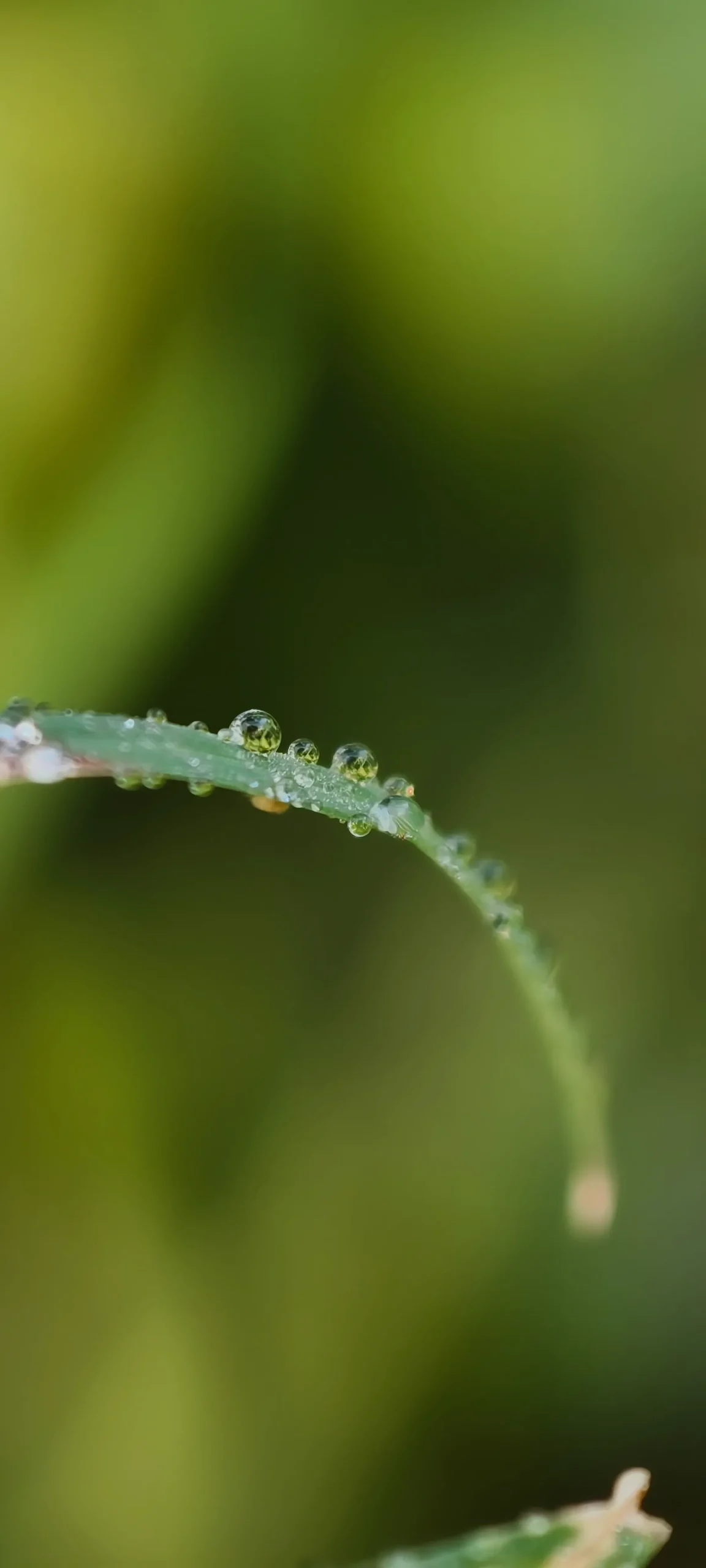
A fine green stem
1152 × 2560 · WebP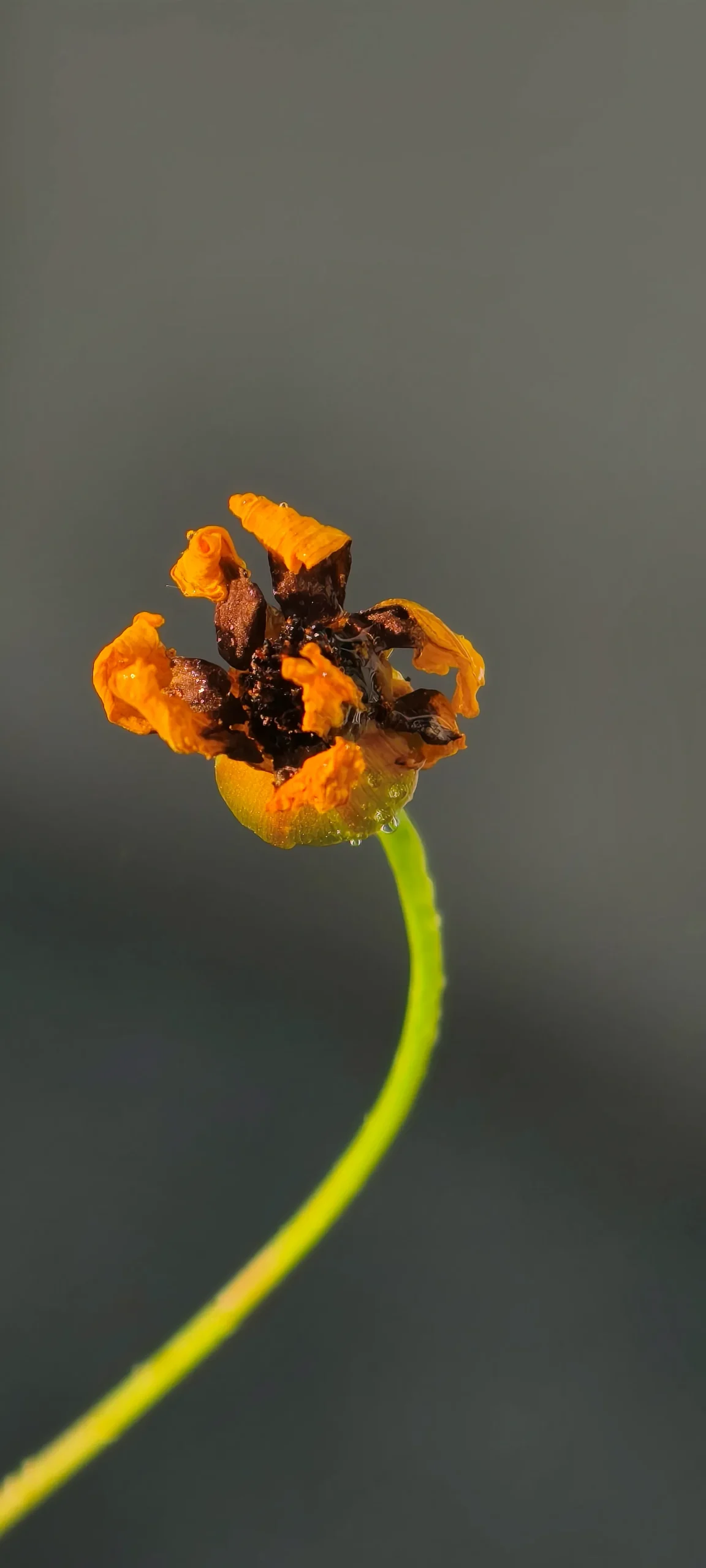
A small orange flower
1152 × 2560 · WebP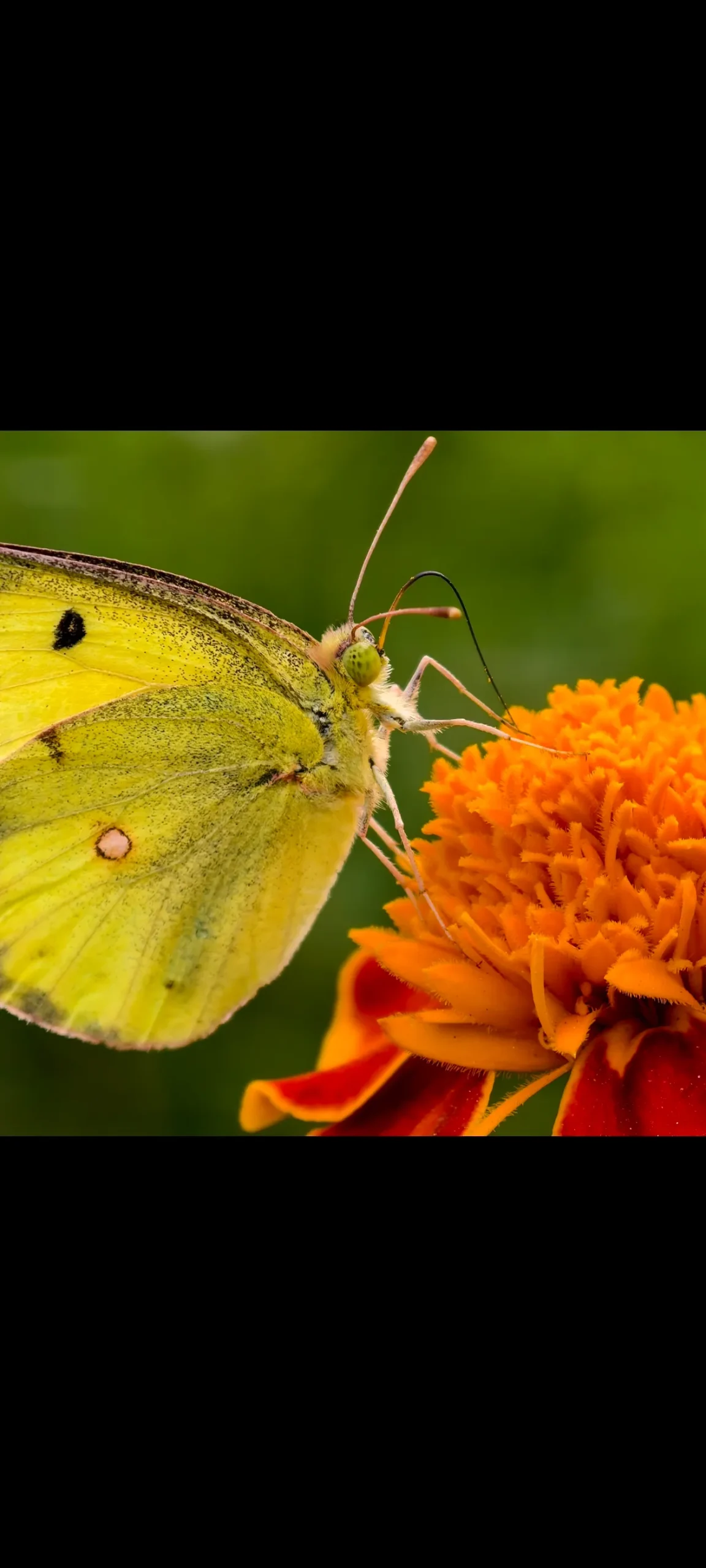
Yellow butterfly on orange petals
1152 × 2560 · WebP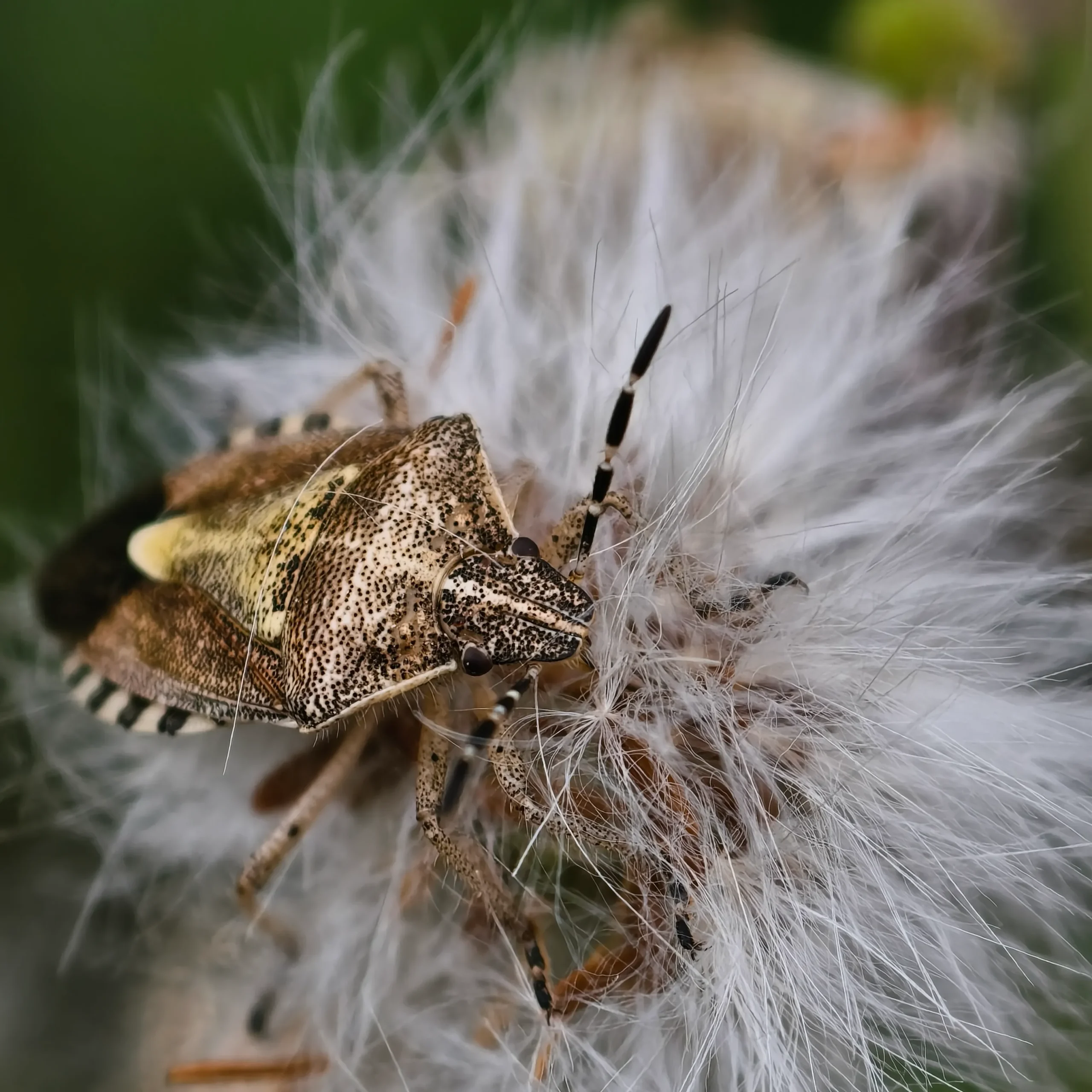
An insect among soft seeds
2560 × 2560 · WebP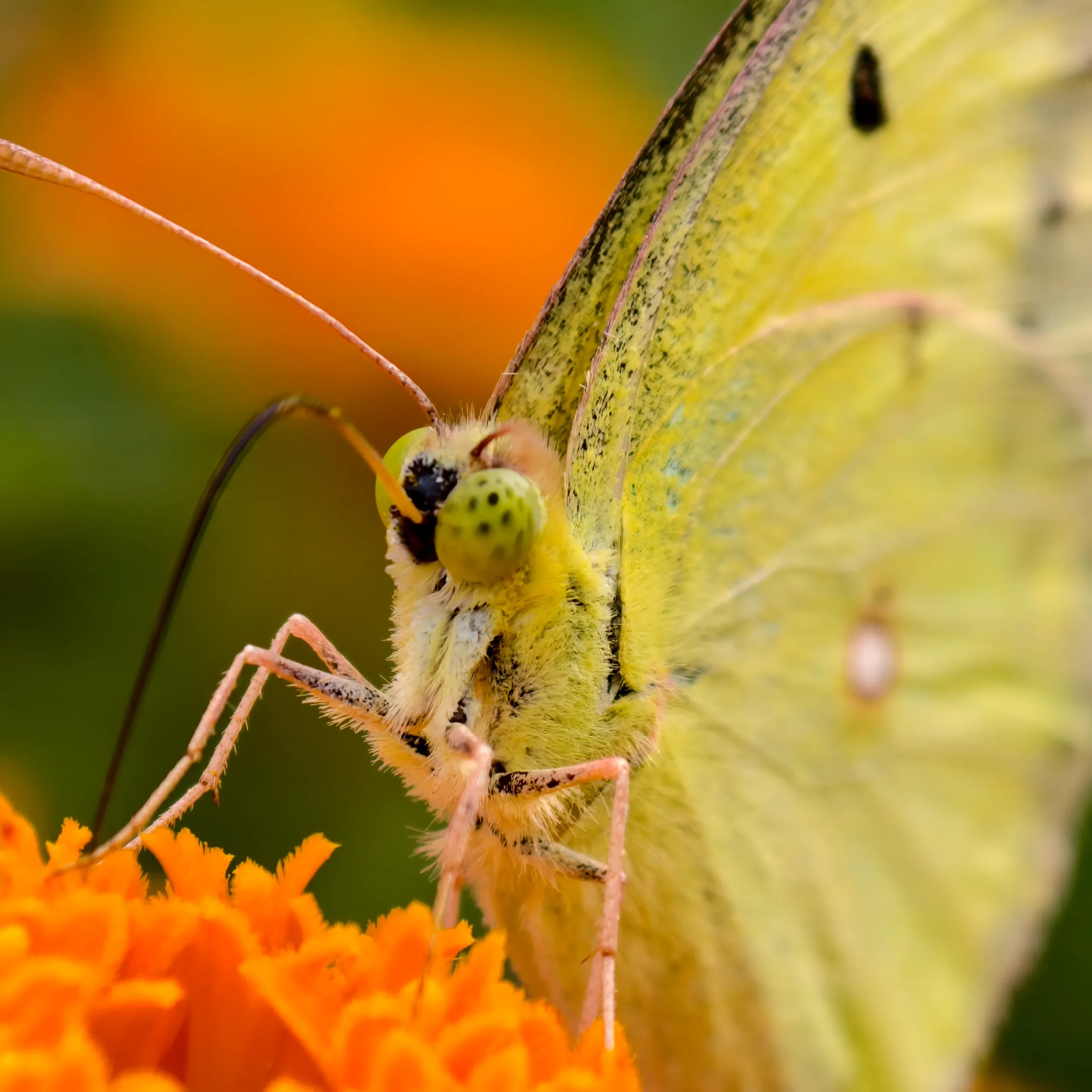
Butterfly and orange blossom
2560 × 2560 · WebP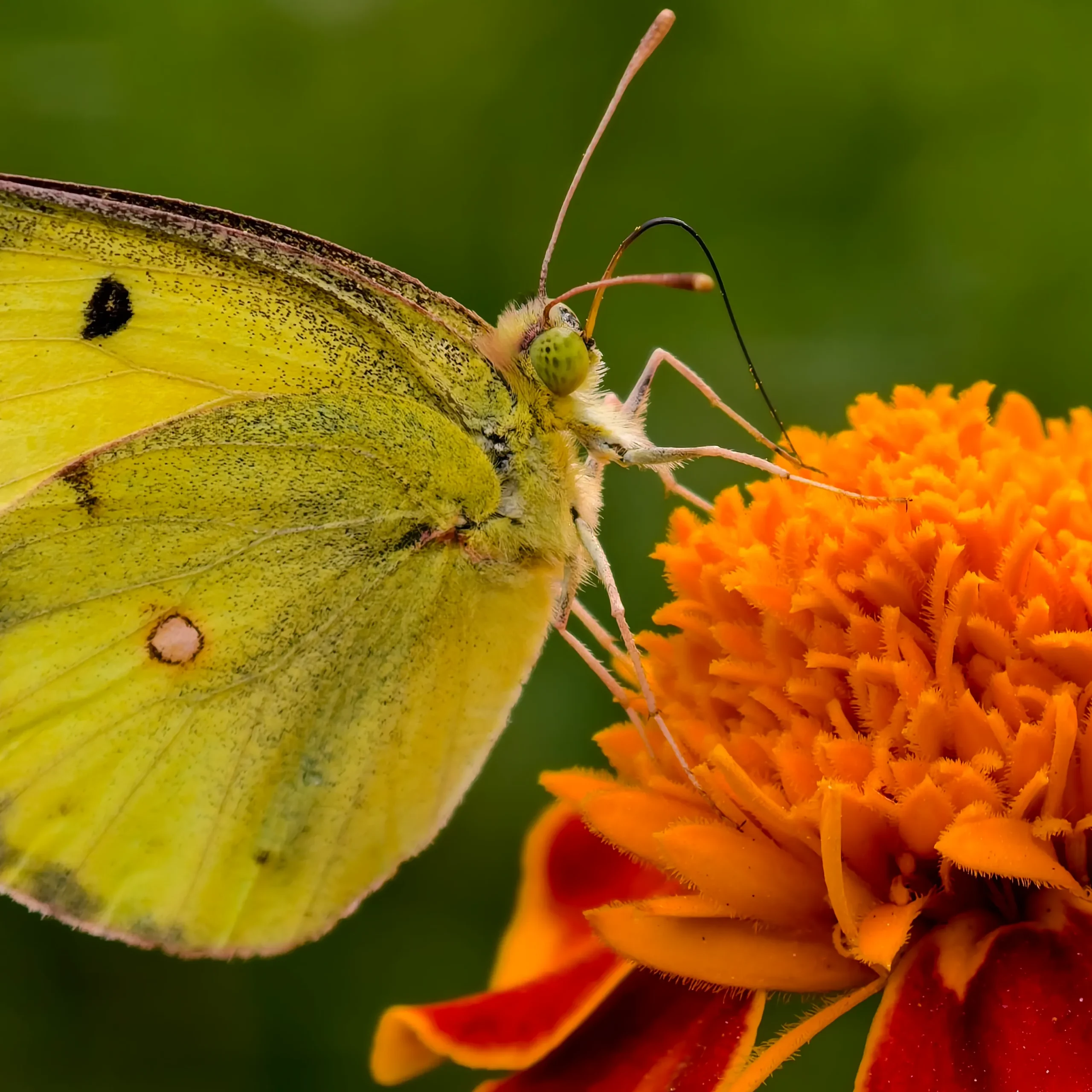
A yellow butterfly at rest
2560 × 2560 · WebP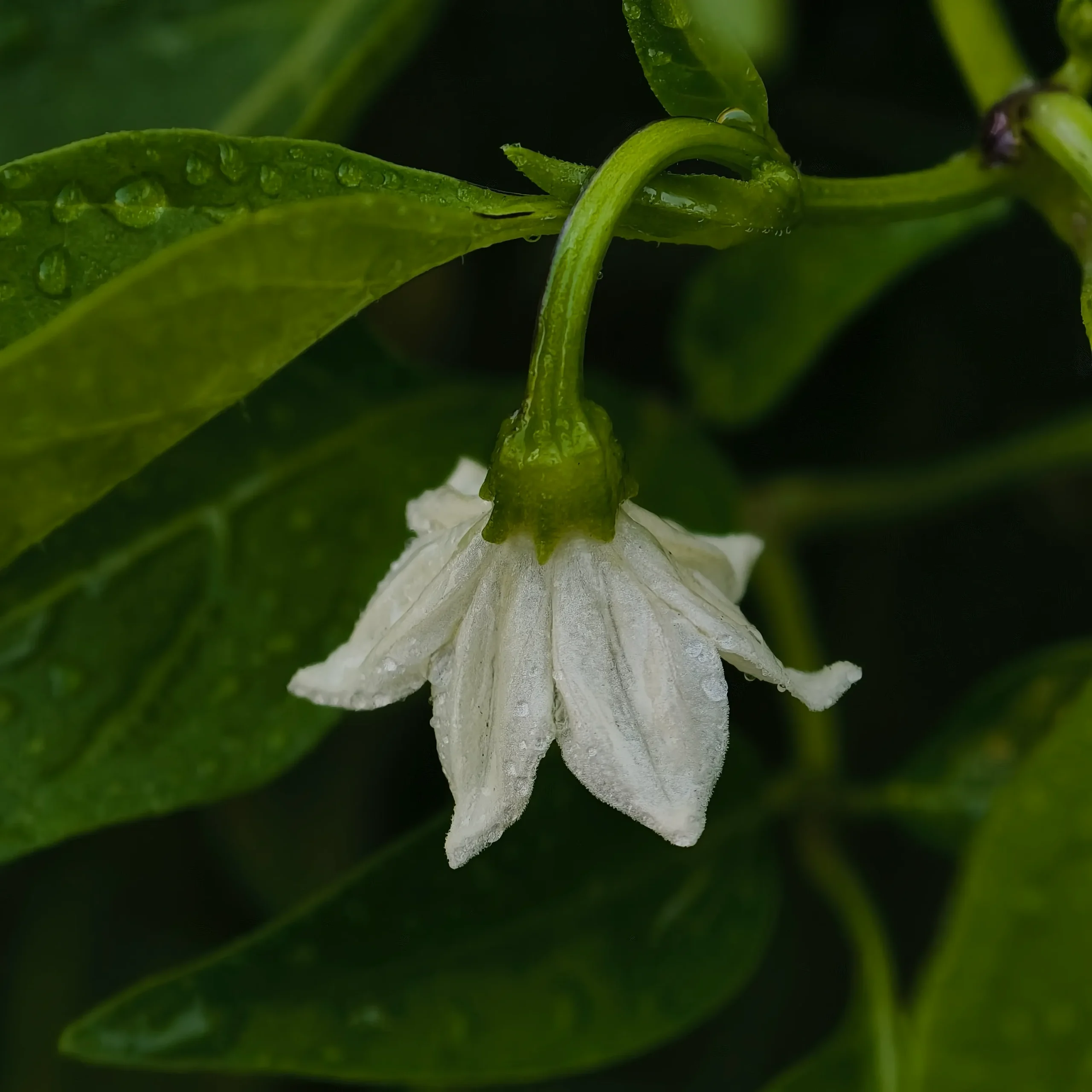
A small white blossom
2560 × 2560 · WebP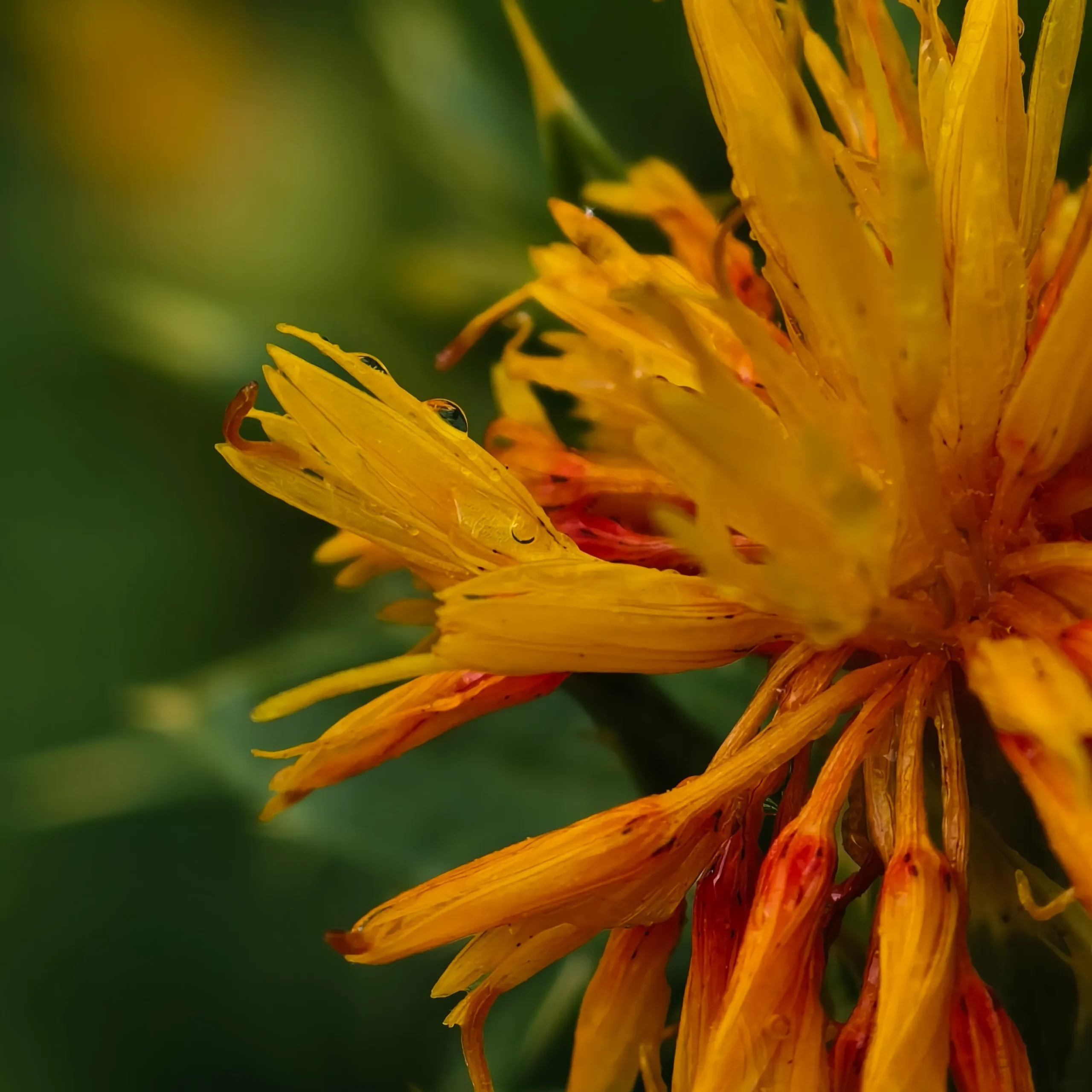
Golden petals in close-up
2560 × 2560 · WebP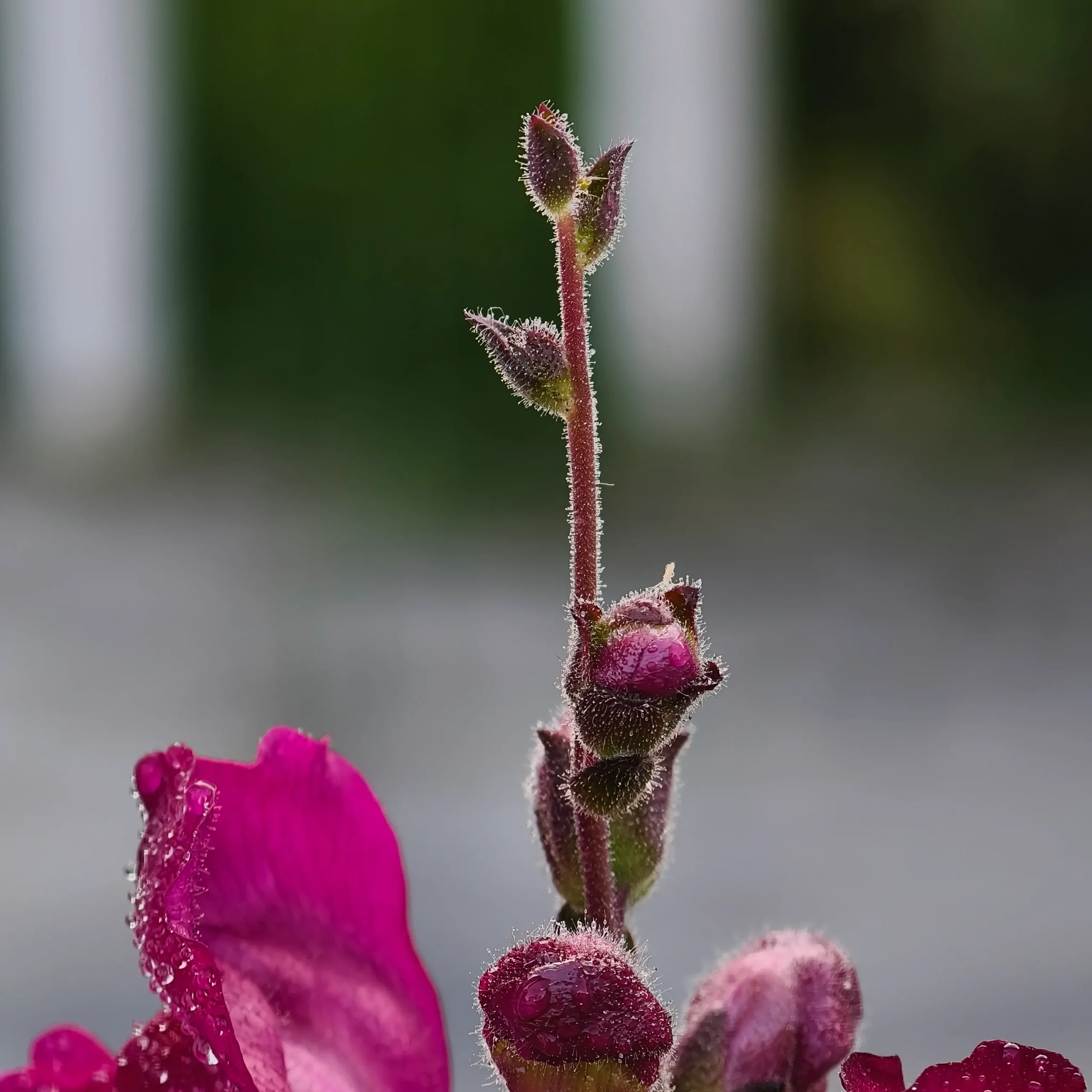
Pink blooms along a slender stem
2560 × 2560 · WebP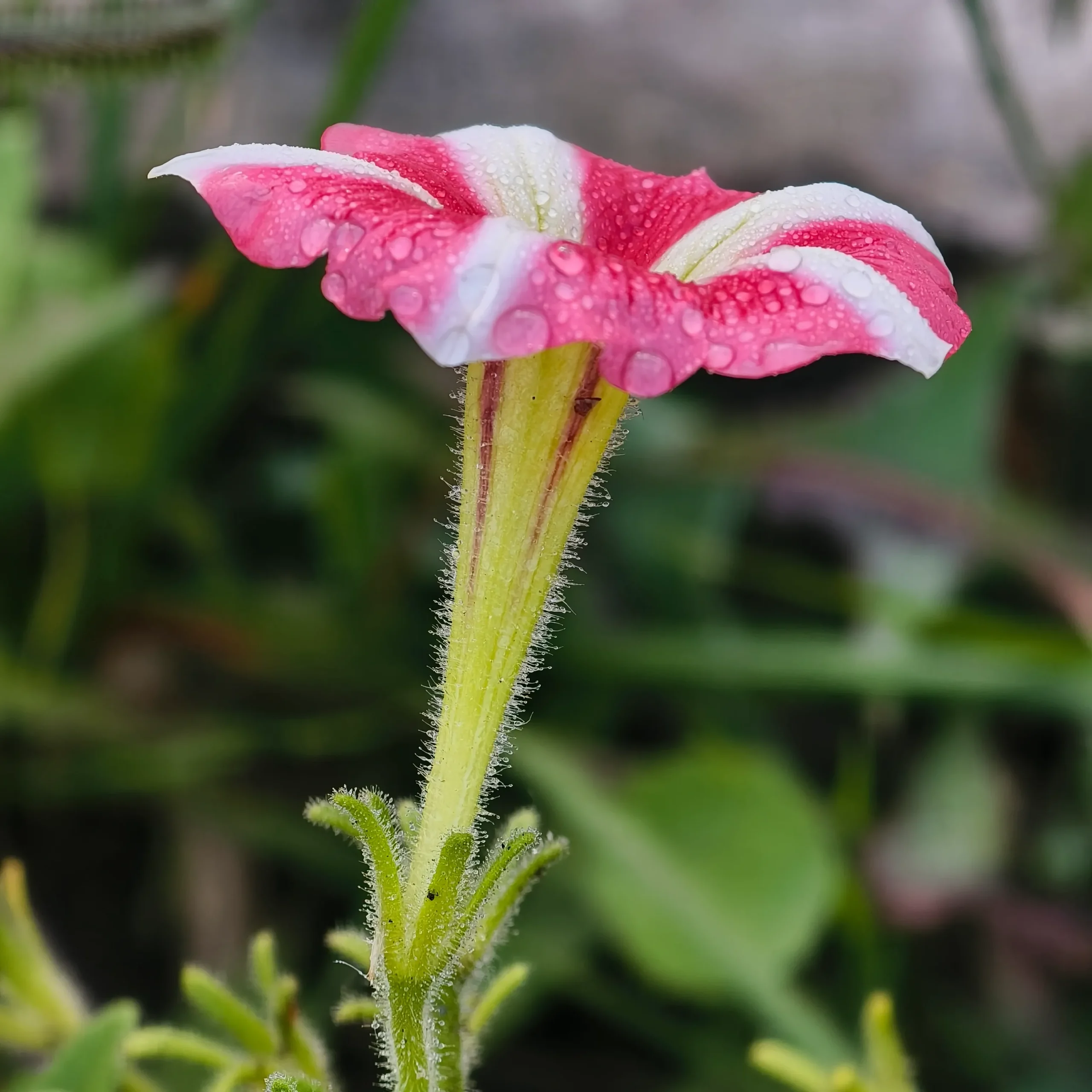
Raindrops on a pink flower
2560 × 2560 · WebP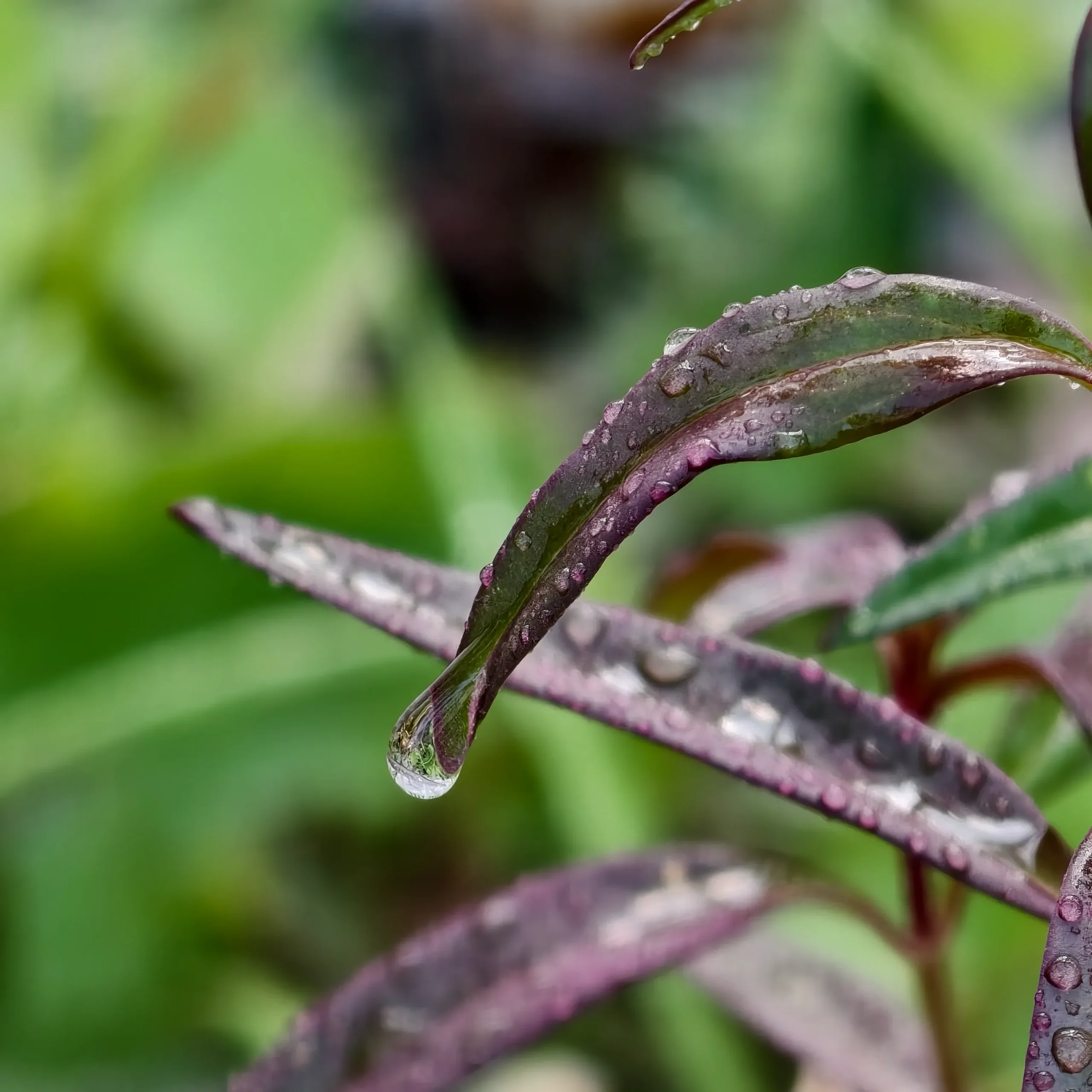
Water droplets on purple leaves
2560 × 2560 · WebP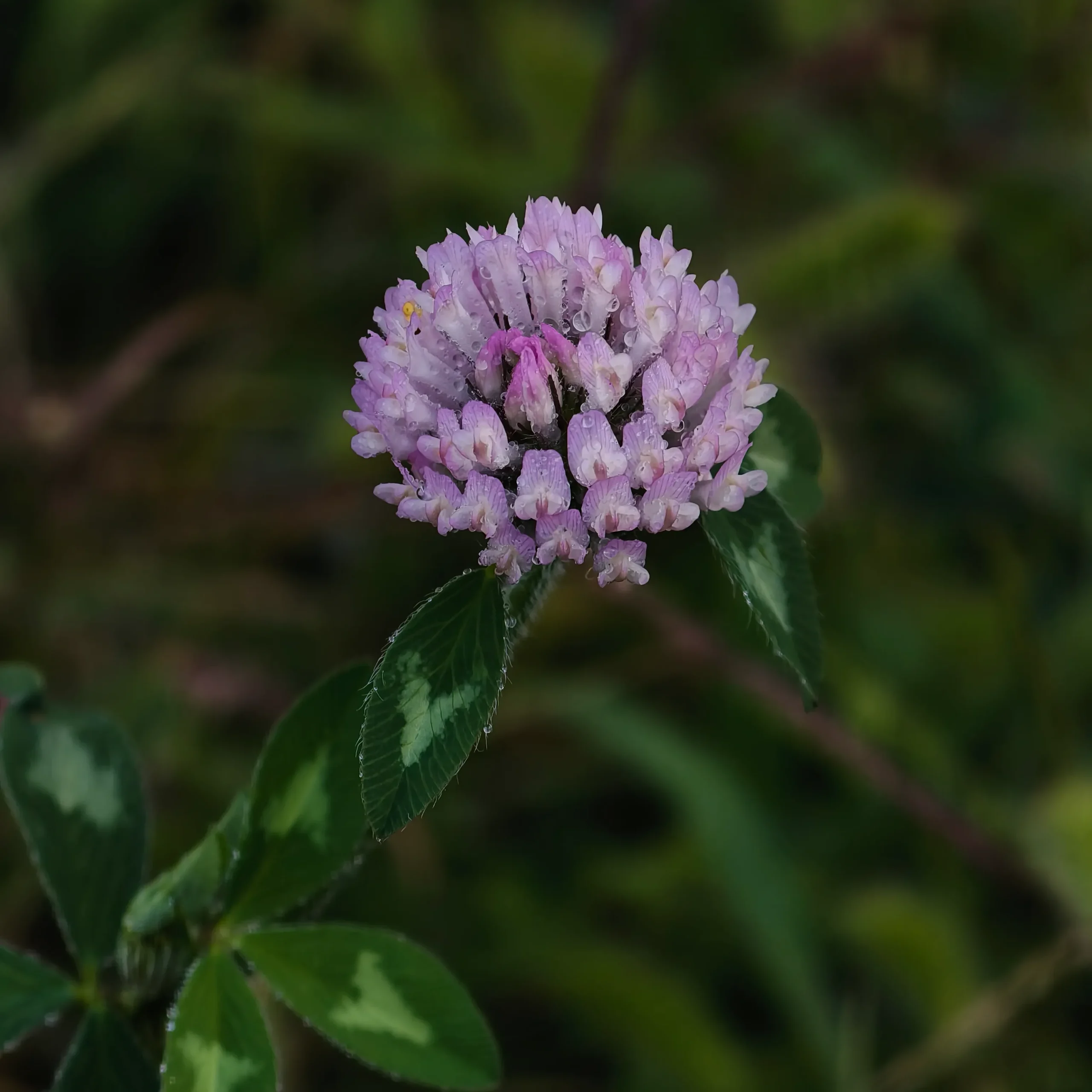
Clover in bloom
2560 × 2560 · WebP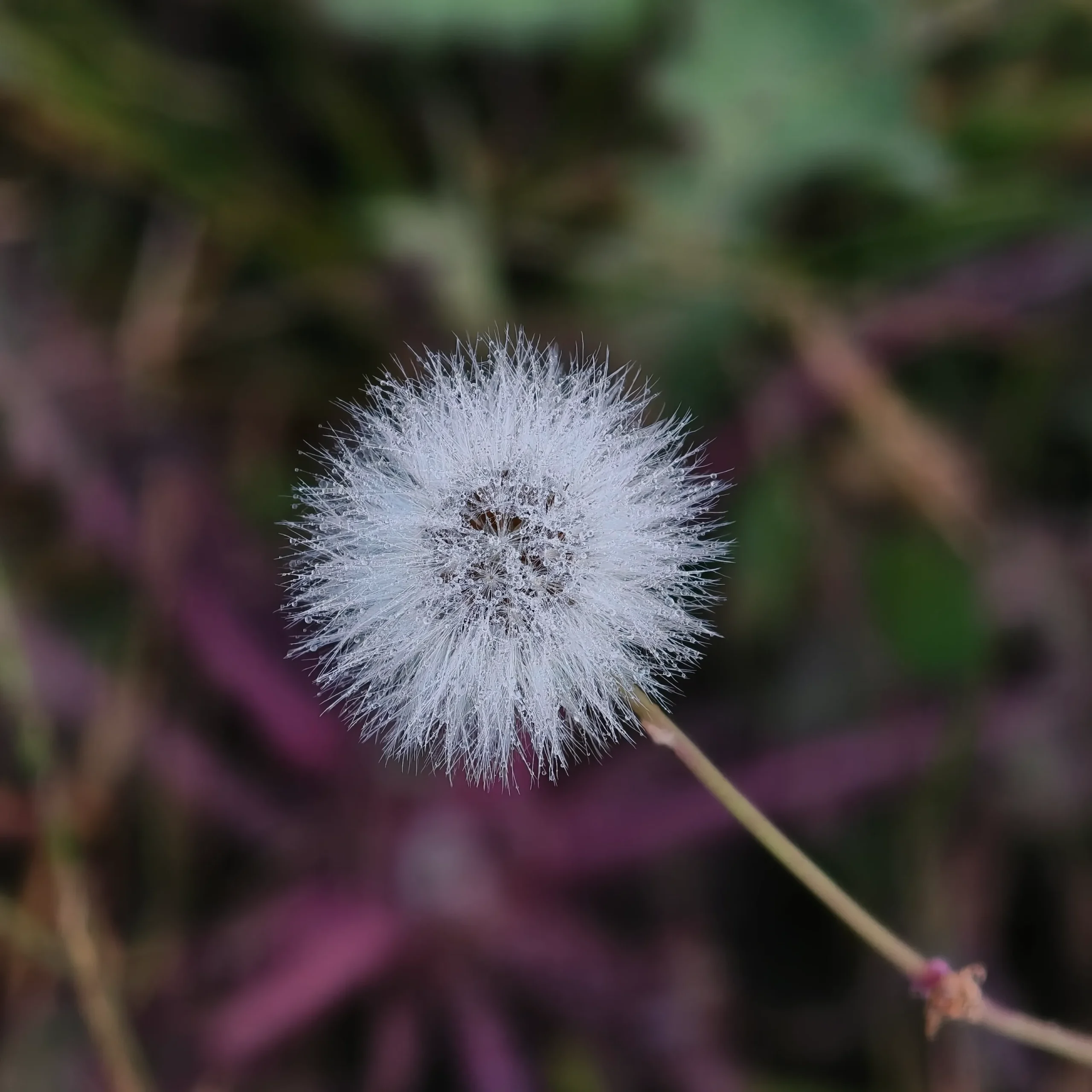
Fine patterns of a seed head
2560 × 2560 · WebPNo photos match your search. Try another word or choose All photos.
Made to be seen. Yours to create with.
Look closer.
Make something good with it.
Most people haven’t. It’s tiny, it’s moving, and the bee usually leaves before you get the chance. But up close that leg is covered in stiff little hairs, and on a busy day they’re stuffed with bright orange pollen. Once you’ve seen it, you start noticing this stuff everywhere. Fuzz on a petal. Veins in a dead leaf. A raindrop on a window with the whole street upside down inside it.
That’s basically why Macro Photos exists. We take close-up photos of little things we often overlook, like insects, flowers, leaves, moss, water droplets, and the texture of wood. We share these photos online for anyone to download for free. Whether you’re working on a school project, writing a blog, designing a website for a client, or making a label for a jar of honey, you can use our photos for your work. .
Why bother making a whole site for it? Honestly, because finding decent close-up photos was a pain. The big free image sites do have some, but they’re buried under millions of other pictures, you can’t always tell how big the file is, and the usage rules read like a contract. We wanted something smaller. One subject. Sorted properly. With straight answers.
This kind of photography isn’t new, by the way. Fritz Goro, who photographed science for LIFE magazine for years, is often named as one of the people who pioneered it. He liked shooting things other photographers said couldn’t be shot. The gear is a lot better now. The idea’s the same: get close, wait, and show people something they walked straight past.
There’s a softer reason too. It’s hard to care about a creature you’ve never properly seen. Show someone the scales on a butterfly wing and they look at the next butterfly a bit differently. Bees and a lot of other little insects are having a rough time right now. A photo won’t solve that. It might make someone pay attention, though, and that’s a start. Anyway. Below you’ll find a bit about us, how downloading works, the five collections, and answers to the questions we get asked most.
About Us
We’re a small, independent site. Not an agency, not a marketplace. Nobody uploads photos here except us, and every picture on the site is one we took. Why does that matter? Because on plenty of “free photo” sites, nobody actually knows where half the images came from. Here it’s simple. We shot it, we wrote the caption, we’re the ones you talk to if something’s off.
What we want is boring, really. Find a good photo fast. Know what file you’re getting. Know what you’re allowed to do with it. That’s it. We keep the copyright. You get a pretty generous free license (details further down). Each photo has a title and a short description. And look, telling one beetle from another isn’t always easy, so we’ll occasionally get a name wrong. If you spot one, send us the link. We’d genuinely rather fix it.
About file sizes, since people ask a lot. Many of our photos are high resolution and some go up to 8K. Some don’t. It depends on the original shot, and we’re not going to stretch a smaller image just so we can call it 8K. The real pixel dimensions are on every photo page. What it says is what you get.
Tip: if you want, add a line here about who’s behind the site, such as a first name, where you’re based, or how long you’ve been shooting.
How to Download a Photo
No account, no payment, and usually under a minute.
Head to Browse Macro Photos, click a collection in the menu, or just search. Searching by colour works too, like “yellow” or “green moss”.
Click a photo. Its own page opens with a bigger preview and a description.
Have a quick read. You’ll see the description, the license info, and which sizes and formats that photo comes in.
Choose a size. Posting on Instagram? You don’t need the giant file. Printing a poster? You probably do.
Download it.
Save the page link somewhere. You may never need it, but it’s useful if anyone ever asks where the image came from.
A couple of small things worth knowing. If you’re printing, check the pixel size first, since a small file blown up big goes soft. If it’s going on a website, a medium file keeps your page quick. And if a download just won’t work, drop us a message with the photo link and the size you clicked. We’ll sort it.
Looking for a size that isn’t listed? Ask. We’ll tell you straight whether we have it. If we don’t, we don’t. We won’t pretend otherwise.
Easy to Use, on Any Device
Nobody wants to wrestle with a website just to grab one picture. So we kept it plain. There’s no sign-up. No “enter your email to continue”. You open a photo and save it. It works fine on a phone. The menu tucks away on small screens and the photos shrink to fit, so grabbing something for a quick post from your phone is no different from doing it on a laptop.
The five collections are always in the menu: Insects and Spiders, Flowers, Leaves and Moss, Water Droplets, Textures and Patterns. There’s a search box if you’d rather type. The boring-but-important pages (license, terms, privacy, contact) are down in the footer of every page.
We write like normal people. Each image has a brief, non-redundant description of its contents rather than a verbose list of keywords. The license is written in plain language to save the reader’s time. A photo’s details are contained on a single page, to avoid the user having to navigate away to another page (or multiple pages) to read more about a particular image. Descriptions are useful for users who rely on screen readers or on automated translation tools. Or if you just want to be sure the picture actually shows a honeybee before you put “honeybee” in your caption.
Stuck? The Contact Us page is there. Send the photo link and a line about what’s going wrong.
Free Photos, and What You Can Do With Them
The photos covered by our license are free. Actually free. No trial, no “premium” version, no bill turning up later. The license allows people worldwide to use the content without paying royalties, and it isn’t exclusive to one person or company. Translated: use them anywhere, other people can use the same photos, and we don’t charge for anything the license allows. The full thing lives on the Image Usage and License page if you want to read it.
What do people use them for? All sorts. Websites and blog posts. Newsletters, Instagram, Facebook. Slide decks and school worksheets. Ads and packaging. Printed stuff, physical products, finished designs for a client. Personal or commercial, both fine. Edit away. Crop, resize, mess with the colours, add text, chop it into a collage. Credit’s optional. If you’d like to give it, “Photo from Macro Photos” with a link is lovely, and it helps other people find us.
A few rules, so it stays fair. Don’t sell or give away our photo files on their own. Don’t put them on stock sites, wallpaper sites, in image packs, or in anything that competes with us, and no, cropping it first doesn’t get around that. Easiest way to remember it: putting our photo inside something you made is fine. Passing around the photo file itself isn’t.
So, what does this mean for you?
Fair question. Here’s the honest answer.
Original close-ups, first of all. Not recycled stock, not something lifted from another site. Each one was taken to show a detail you’d normally walk past: ridges on a beetle’s back, the fuzz on a petal, light bending through one bead of dew. Real file information. Plenty of the photos are HD or bigger, and some reach 8K. The page tells you the actual dimensions, so you won’t download what you thought was a huge file and get a thumbnail.
A choice of sizes, where we have them. Smaller for the web, bigger for print. Some photos only come in one size because that’s all the original allows. We say so on the page instead of hiding it. A license you can actually use. Personal, commercial, no fee, credit optional. A student’s slideshow and an agency’s client campaign get exactly the same deal. Five collections instead of an endless scroll. Need a flower? Click Flowers. That’s the whole system.
Every image comes with a caption to help you choose the images you need. These captions will tell you the themes, styles or other details that make the images suitable for your projects. You can use our images to create science presentations or make leaflets for your local spa. Just tell us if something is wrong. We hope you find inspirations and ideas for your future projects by looking at our images. We have used many different kinds of images, colours and styles. Ask us if you need any help. Odd size request, licensing question the free license doesn’t cover, a mistake you spotted: write to us. For anything outside the standard license, we can give you permission in writing.
The Five Collections
Everything on the site lives in one of five collections. They each have their own mood, and they tend to get used for pretty different things.
1. Insects and Spiders
This is the one that feels most like another planet. Get right up to a common fly and its eyes turn out to be hundreds of tiny lenses packed side by side. A jumping spider the size of a grain of rice has a pair of large, shiny eyes at the front of its head that give it an almost inquisitive look. Butterfly wings are made of overlapping scales, which are similar to the tiles on a roof. Bees are far hairier than you might initially realize.
In Insect and Spiders you will see photos of butterflies, bees, ants, spiders, beetles, and more. Look for differences in the shapes of wings, body textures, and facial features. Many photos of insects were taken in the early morning because it is cooler, so insects are less active. That is also when many insects have dew on their bodies, which makes them look especially sparkly.
People usually grab these for biology lessons, nature blogs, posts about bees and biodiversity, gardening or pest-control sites, kids’ learning stuff, and social posts that need to stop the scroll.
2. Flowers
Not bouquets. We go inside the flower. In Flowers you can find many familiar things — velvety petals, thin stamens, little spots of pollen, the perfect spiral in the middle of a daisy, a bud opening.
This is the set to turn to when you want to evoke a certain mood or color. Pale pink is associated with tranquility, and the thickest red is dramatic. Yellow is cheerful. The image has a shallow depth of field, so everything blurs into a hazy background in colors that don’t distract the eye. Thus, designers use them for compositions that require space for text.
You can find such photos in wedding projects, beauty and cosmetics blogs, flower shop websites, in the design of greeting cards, spring promotions, wallpapers for phones, and presentation slides behind which nothing will be visible.
3. Leaves and Moss
Green, predominantly. Take a closer look at the leaf – the veins resemble a river system, repeatedly dividing and forking. The leaf edge can be serrated or covered with fine hairs. Place the leaf against the light, and it will glow from the inside. Moss is most surprising – lying on its side, it looks like a carpet of moss, while on a table, it appears as a forest with stems and miniature capsules with spores on thin legs.
The Leaves and Moss photos have a great amount of texture, making them incredibly easy to work with. Backlit leaves create a rich source of fresh green colors. Moss introduces dark green tones. The images are great for using them as backgrounds, providing ample visual information without being distracting.
The photos of leaves and moss are often used as backgrounds for eco- and sustainable brands, organic food and natural product packaging, sustainability reports, botanical illustrations, website headers, and texture fillers for design projects.
4. Water Droplets
Water drops are one of the best subjects to capture with a close-up shot, and the collection Water Droplets proves it. A single water droplet becomes a lens! Get close enough and see a miniature inverted image of whatever is behind the droplet — a flower, leaf, or the sky.
Morning dew on grass and petals, raindrops on leaves and glass, water beads on various surfaces, and reflections — each page describes what can be seen in the photo and from which side to look. Choose between a single droplet, a row of tiny water balls, or a blurred sparkling smear — and use them as a source of inspiration for your project.
Such images are great for creating content related to natural freshness — water, cosmetics, cleaning products. They also work for weather content, meditation, rainy seasons — and minimalistic sites with delicate patterns.
5. Textures and Patterns
Textures and Patterns showcases objects commonplace around us but rarely observed closely enough. The wood grain, stone, or fabric patterns become similar to abstract paintings in some photos. A repeated pattern can act as an entire image — just follow the lines of a single log cut or reptile’s scales. Textures and Patterns is probably one of the most useful collections for a designer who needs to find inspiration or take a break from using stock images.
A subtle pattern in the background will make any minimalist design not look empty and uninviting; it will add texture to illustrations and photos, give a sense of tangibility to print design, or simply serve as the background for text-heavy pages. On the contrary, a bold pattern can act as the image itself.
Backgrounds for websites or applications, product packaging, book covers, posters, slide shows for presentations, brand mood boards, or unique graphic design experiments — these are just a few examples of using the textures and patterns photos.
What Makes a Good Macro Photo Essay?
I think it might be helpful to explain how such photos are made. You’ll pick better ones.
Shutterstock once asked five professional macro photographers for their best advice (the piece is here). The funny thing is how much they agreed. Different countries, different cameras, same handful of ideas. They’re pretty much how we work too.
Get up early
Ask anyone who photographs bugs and they’ll say the same thing. Go out just after sunrise. The light’s soft, there’s usually no wind, and insects are still cold, so they’re slow and let you get close. Everything’s wet with dew as well, which gives you that sparkle you can’t really fake at midday. See a beetle in our collection covered in tiny drops? Early morning, almost certainly.
Be patient (really patient)
Small animals don’t pose. They wander off, fly away, or turn round at the exact wrong second. Pros talk about waiting ages, going back to the same plant day after day, and taking loads of frames to get one sharp one. A great macro shot is very rarely luck. It’s mostly stubbornness.
Learn about what you’re shooting
The best macro photographers know their subjects. When does it come out? Where does it sit? How close will it let you get? Chasing a butterfly round a field rarely works. Sitting next to the flowers it feeds on and waiting usually does.
Sharp eyes, or forget it
With anything alive, the eyes make the photo. In macro the area that’s in focus is incredibly thin, sometimes less than a millimetre, so a tiny wobble leaves the eyes soft. When you’re choosing an insect photo, look at the eyes first. Crisp eyes and people connect with it. Blurry eyes and it just looks a bit off.
Watch the background
A plain, blurred background highlights the subject and leaves room for the text. Photographers often have to turn around their subject a couple of times before finding the perfect angle to capture a clear background and optimal lighting.
Soft lighting
Natural lighting is preferable as it creates a halo effect around the subject if the light falls on their head or shoulders. If a flash is required it should be covered with a diffuser to prevent harsh shadows.
Some photographers make their own diffusers out of paper or bits of plastic. It works.
Never hurt the subject
This is the big one. Good macro photographers don’t trap or harm the creatures they photograph. Tidying up a background or letting an insect walk onto a leaf is fine. Hurting it for a picture isn’t. We feel strongly about that.
Questions We Get Asked
1. So what is Macro Photos?
A small site, macrophotos.org, where we post our own close-ups of insects, spiders, flowers, leaves, moss, water drops and textures. Free to download, free to use, personal or commercial.
2. What does “macro” mean, exactly?
Photographing something small from really close, so it looks big and detailed. Insect eyes, pollen, leaf veins, the reflection inside a raindrop. Stuff your eyes alone can’t really make out.
3. Free free? Or “free” with a catch?
Free free. No fee, no subscription, nothing to pay later, as long as you stay within the license.
4. Can I use them for my business?
Yep. Ads, packaging, websites, flyers, products, client work. Just stick to the license terms.
5. Do I have to credit you?
No. If you want to, “Photo from Macro Photos” plus a link is perfect. We’d appreciate it, but it’s up to you.
6. Do I need an account?
Nope. Open a photo, download it. We don’t ask for your email.
7. Is everything in 8K?
No, and we’d rather say that than pretend. Some photos are 8K, some are HD, some are somewhere in between. It depends on the original. Check the size on the photo page.
8. Which size should I go for?
Website or social media: a medium HD file is plenty and loads faster. Poster or big print: grab the largest one and check it’s big enough for the print size you want.
9. Can I edit them?
Go for it. Crop, resize, recolour, add text or filters, mix them with other images.
10. Can I sell them or upload them to other photo sites?
No. Don’t sell or share the files themselves, don’t put them on stock or wallpaper sites, and don’t bundle them into packs. A quick crop or filter doesn’t change that.
11. What about a T-shirt or mug I’m selling?
That’s fine. Physical products with the photo on them are covered. Selling the photo file is what’s not allowed. And please don’t turn one into your logo or trademark without written permission from us.
12. Who owns the photos?
We do. Downloading one gives you permission to use it under the license. The copyright stays with us.
13. My download isn’t working. Help?
Message us through the Contact Us page with the photo link and the size you tried. We’ll take a look.
14. I think you’ve labelled a bug wrong.
Very possible! Send us the link and a quick note. We’re always happy to be corrected.
15. Can I ask for a different size or special permission?
Of course. Email us the photo link and a bit about your project. If you need something the free license doesn’t cover, like sharing the file on its own, we can sort out written permission. If you’re after a size or angle we don’t list, we’ll tell you honestly whether we have it.
Why Trust Us?
We take the photos ourselves. Nothing here was copied from somewhere else.
The license is all on one page, the Image Usage and License page, in plain English. If we ever change it or take a photo down, the permission you got when you downloaded still stands, as long as you keep to those terms. We don’t fudge file sizes. The real dimensions are on every photo page. If it isn’t 8K, we don’t call it 8K. Our Terms and Conditions, Privacy Policy and Copyright and Removal Requests pages sit at the bottom of every page. No hunting. And you can reach a person. Questions, corrections, licensing, broken downloads: use the Contact Us page and we’ll get back to you. Look closer. Make something good with it.