

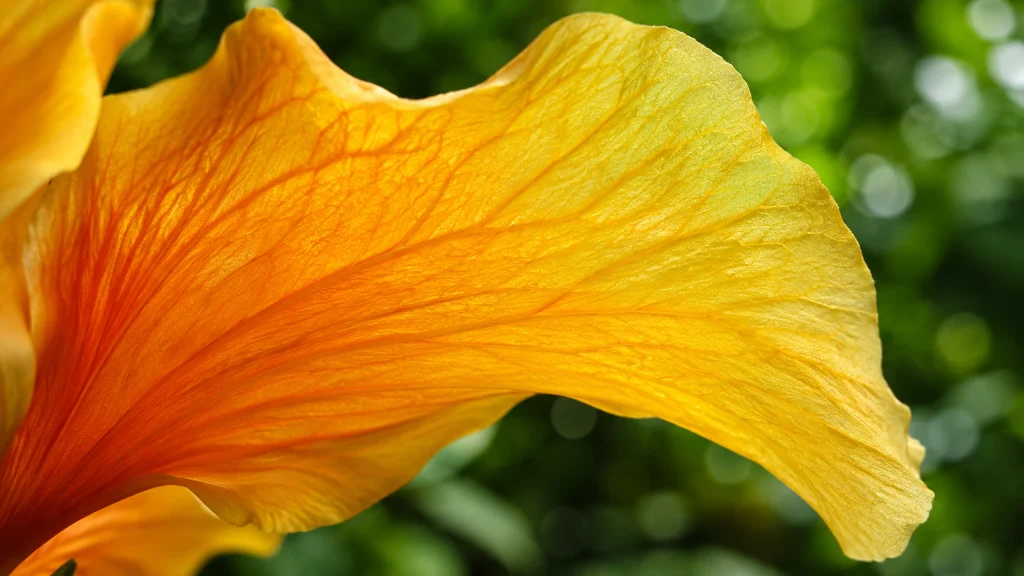
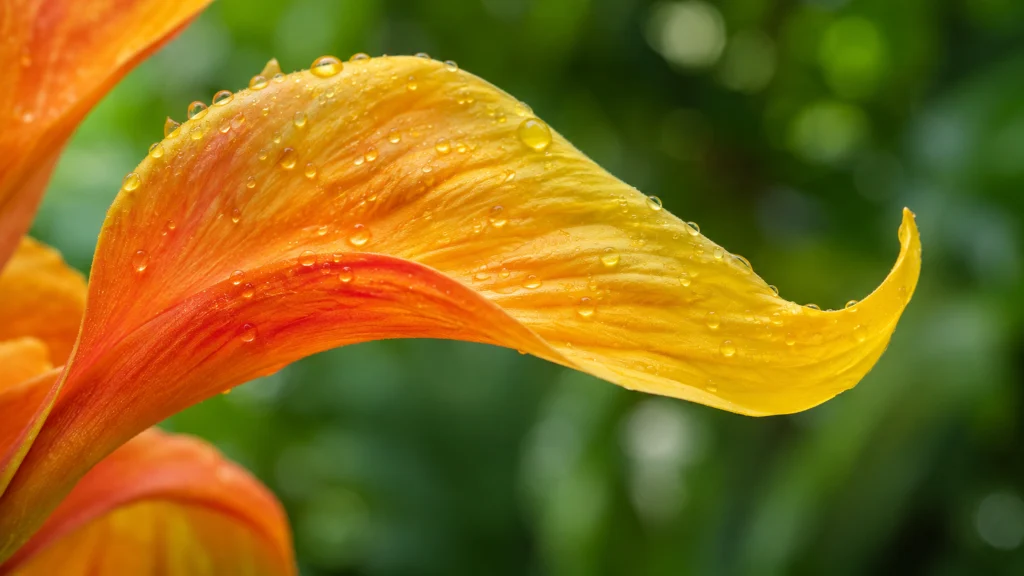
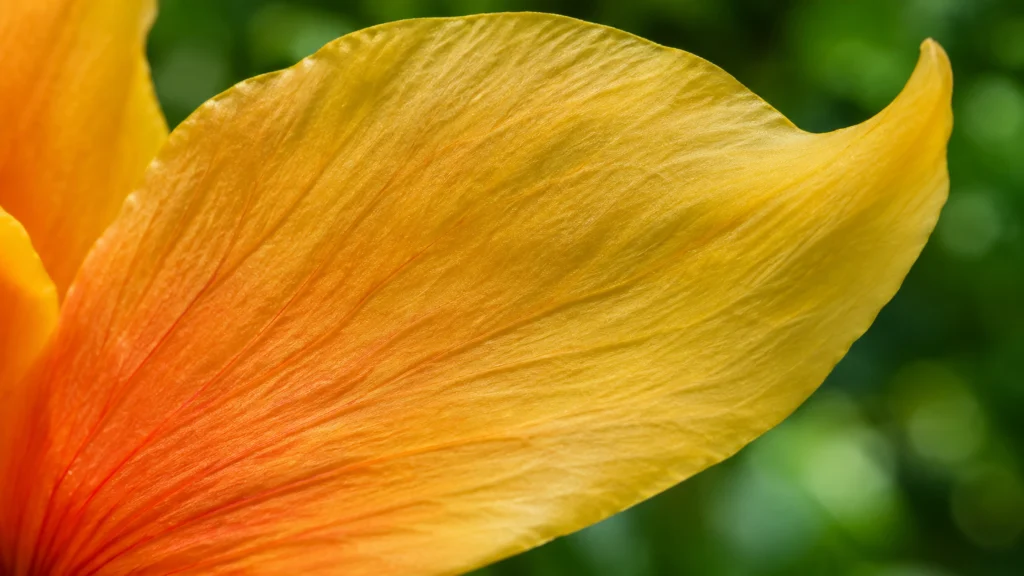
Closer look at just one petal of yellow & orange, we’ll discover a whole new world! When we look closer we can observe the beautiful shimmer on the petal. Tiny lines can be seen running from the bottom to the top of the petal. There is a gradual change from a light yellow to a vibrant orange. This makes the petal seem like little piece of art!
This article will explain what you can see in detail. We will learn why the petals are such a warm colour and how to appreciate them more. We’ll keep our language simple and our ideas clear.
Colours on yellow & Orange Petals
Yellow & orange Petals is a colour between two popular colours. Yellow is a bright and happy colour whilst orange is a warm and lively colour. Putting these together creates a petal that looks like a sunrise!
However, there are many variations of colour on one petal. If we take a closer look we can see that there are many gradual changes. Often, the base of the petal is a brighter orange whilst the tip is a pale, buttery yellow. Some petals have a darker line running down the middle whilst others have a pale border to frame the entire petal. These changes occur for a reason. The petal has varying amounts of colour which tell us a little story about the flower!
How yellow & Orange Petals get their colour
The petals do not make use of any paint in order to obtain color. The petals make use of pigments which are natural in nature in order to generate colors. The pigments absorb some colors of light while reflecting others. We see the reflected colors through our eyes.
- Most yellow & Orange Petals use a group of pigments called carotenoids. These are the same pigments that make carrots, pumpkins and egg yolk orange! The carotenoids absorb blue and green light meaning that yellow, orange and red light is reflected back to us.
- There will be varying amounts of pigment on the petals. If there is little pigment then the petal will appear pale yellow. If there is more pigment then the petal will appear golden. Finally, if there is lots of pigment then the petal will appear a deep orange. The amount of pigment will be carefully controlled by each flower to create the gradual changes in colour.
- Some flowers will use another group of pigments called flavonoids. This can make the petals have a creamy or reddish tint. When mixed together they create rich mid-tones making the petals beautiful
Looking at yellow & Orange Petals Up Close
- Firstly you will notice the vein. Tiny lines run along the petal. These carry water and nutrients from the stem to all parts of the flower. When viewed up close they look like the lines on a leaf. Often they will be a slightly different colour to the rest of the petal.
- Secondly you will notice the texture. Many petals have a velvety texture. This is because they have tiny cone like cells on the surface. This scatters the light creating a deeper, richer colour. However some petals can be smooth and shiny. This means that the light will reflect very clearly making them shiny and bright. Buttercups will appear shiny like polished metal whilst marigolds appear soft and dull.
- Finally you will notice the fine details. Tiny droplets of dew will stick to the surface in the morning. Sometimes there will be a little dusting of pollen around the centre. There may also be a little mark or curl to remind you that this petal lives in the real world.
Why do flowers have yellow & Orange Petals?
Flowers don’t just choose their colours to look pretty. They use colour as a signal. A yellow/Orange Petal is telling you to come over, there is food here.Bees, butterflies, hoverflies and beetles can all understand this message. These insects will visit flowers to drink the sweet nectar. Whilst they are feeding they will transfer pollen from one flower to another. This helps plants to produce seeds. This means the flower has its own delivery service and the insect has a nice meal. It’s a win-win!
Warm colours stand out well against green leaves. This means a yellow & Orange Petal really stands out against the green stems. Bees can see yellow very well which is why many flowers use this colour. Bees can also see patterns! Many yellow petals have hidden patterns that reflect ultra-violet light. We can’t see this light but bees can. This makes the yellow flowers appear to have a dark center. To a bee this looks like a bullseye making it easy for them to find the nectar. We won’t be able to see the target but the bees will!
Flowers with yellow & Orange Petals to look out for
You can find yellow/Orange Petals almost anywhere. Here are some friendly examples:
Marigold
Gardeners love these flowers as they bloom for months. They are easy to grow and have ruffled petals. The petals are layered to create a thick pom-pom! They can range from pale gold to a deep burnt orange. When viewed up close there are dozens of petals with slight differences in colour.
Nasturtium
These round bright flowers open wide in sunny areas. The petals have thin red/dark lines running near the centre to lead insects in. You can actually eat these petals! They have a peppery flavour.
California Poppies
These silky flowers are bright orange with a yellow tinge at the edges. They have very thin petals and close at night and on cloudy days.
Sunflower
These flowers have long golden yellow petals with a dark centre. When viewed up close you can see they all point outwards.
Daylilies
These flowers only last one day! However, there are many blooms on one plant. The petals are curved and wavy. Often there is a darker centre.
Tulips & Daffodils
These cheerful flowers appear in spring. Some have a mix of yellow and orange with fiery streaks!
Why do yellow & Orange Petals change colour?
You may notice that yellow/Orange Petals can look different depending on the time of day. The light has a large effect. In the early morning they will appear gentle with a soft light. At midday they will appear bright with a strong light. In the evening they will appear deeper with a rich amber colour due to the low golden light.
The weather can also affect the colour. Rain will make the colour darker. This is due to the fact that the surface water changes the reflection of the light. The flowers could be faded by heat and too much sunshine. Most times when the flowers get older, they will tend to lose some color and become less defined at the edges.
How to take a Great Close up of yellow & Orange Petals
You don’t need any fancy equipment to take some beautiful close ups. Many phones have Great Close up capabilities. Just follow these simple tips:
- Get close. Make sure you get as close as possible but your camera will need to focus. Move in slowly until the petal appears sharp on your screen. Tap the screen where you want to keep it sharp.
- Use a simple background. Put the flower in front of a green or dark background. This will make the warm colours stand out.
- Look for details. Try to capture the vein, dewdrops, tiny hairs or the change from yellow to orange. This will tell a story that you wouldn’t get from a wider shot.
- Experiment with angles. Take pictures from above, the side and below. The light will shine through the petal creating a stained glass effect.
What we can learn from close ups of yellow & Orange Petals
Taking close ups will teach you to slow down. When looking at a petal for a whole minute you’ll start to notice the little details. You’ll notice how the colours blend and how the surface shines. You’ll wonder why the flower looks like this. This will make you want to learn more about plants, insects, light and the natural world.
Taking close ups of flowers can improve your mood. Many people feel more relaxed when looking at something small and beautiful. This makes your brain switch to a slower pace and focus on one simple thing. Close up flowers have been used by artists for centuries. Painters look at petals to learn about colour and light. Scientists look at them to learn how plants attract insects. Gardeners look at them to decide which plants to put in their gardens. You can join in by just being observant!
Simple ways to Enjoy Yellow & Orange Petals
There are a few easy ways to include more yellow/Orange Petals in your life.
- Plant some seeds. Marigolds and nasturtiums grow quickly so will work well in small pots.
- Take a slow walk. Pick a park or garden and look for warm coloured flowers.
- Bring a magnifying glass. A cheap hand lens will show you the vein, hairs and pollen.
- Keep a photo diary. Take one close up a week to see the seasons change.
- Show someone! Show a friend or child a close up of a petal. They will make you smile
Conclusion:
At first glance a yellow & Orange Petal looks simple. However, taking a close up shot shows us how colourful they are. There are many tiny details and clever tricks going on.
The petals produce pigments, reflect light, direct insects and glow in the sun. All of this is happening in something smaller than your palm Next time you see a warm coloured flower take a moment to stop. Lean in and let your eyes wander over the golden surface.